Key Highlights
- Discover the distinct health benefits of hot tub use and cold water immersion for your wellness routine.
- Hot tubs excel at promoting muscle relaxation and stress relief through warm water hydrotherapy.
- Cold water plunges are effective for reducing inflammation and speeding up muscle recovery after exercise.
- Contrast therapy, which alternates between hot and cold, maximizes recovery and boosts circulation.
- Combining both therapies provides comprehensive benefits for your physical and mental well-being.
- Eco Hearth offers premium, all-in-one systems to bring these powerful therapies into your home.
Introduction
Do you want to feel better and improve your health? Many people now use hot tubs and cold water to help their bodies. These two ideas are getting more popular because of their great health benefits. You may want to relax by sitting in warm water after a long day. Some people use cold water to help make their bodies feel better after a workout or just to improve their health. When you know how to use both hot and cold water therapy, it can help you a lot. Let’s talk about how they work and how you can get health benefits from them.
Understanding Hot Tub and Cold Tub Therapies
Hot tub and cold tub therapies each bring their own good effects. The benefits of hydrotherapy mostly come from water temperature. Hot water helps you relax. Cold water wakes you up fast and helps bring down swelling in your body.
If you use both hot and cold therapy together, called contrast therapy, you get the best of both. Quickly switching your body temperature this way gives a special physical response that helps you heal faster. We will look at hot tub and cold water therapies alone first, then talk about what happens when you use contrast therapy and mix both.
What Is a Hot Tub Therapy?
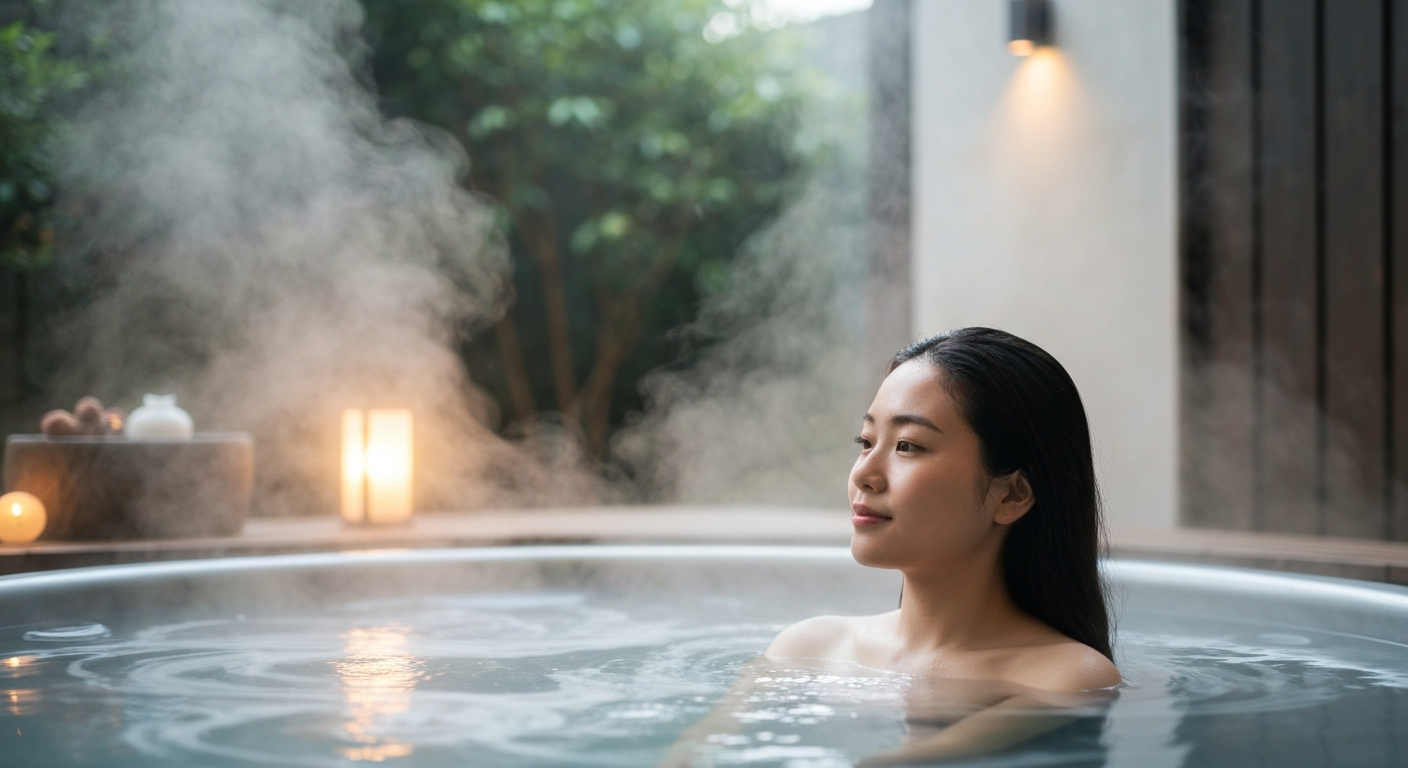
Hot tub therapy means you soak your body in warm water, most often between 100°F and 104°F. This can help your muscles relax and ease stress in your body.
When you sit in warm water, your blood flow gets better. This lets more oxygen and nutrients reach your muscles. Because of this, you can have less soreness, better muscle relaxation, and more flexibility. That’s why a lot of people turn to a hot tub for both relaxing and getting better after being active.
Hot and cold plunge tubs do require some regular maintenance to keep them clean and safe for use. This includes checking and balancing water chemicals, cleaning filters, and making sure the tubs are free of debris. It’s also important to drain and refill the tubs periodically, depending on usage, to maintain water quality and support benefits like muscle relaxation and proper blood flow.
When you sit in warm water, your blood flow gets better. This lets more oxygen and nutrients reach your muscles. Because of this, you can have less soreness, better muscle relaxation, and more flexibility. That’s why a lot of people turn to a hot tub for both relaxing and getting better after being active.
Many people say there are health benefits to using a hot tub on a regular basis. It can help lower stress and make sleep better. The warm water and gentle jets create a calm place to get away from stress in life.
What Is Cold Plunge Therapy?
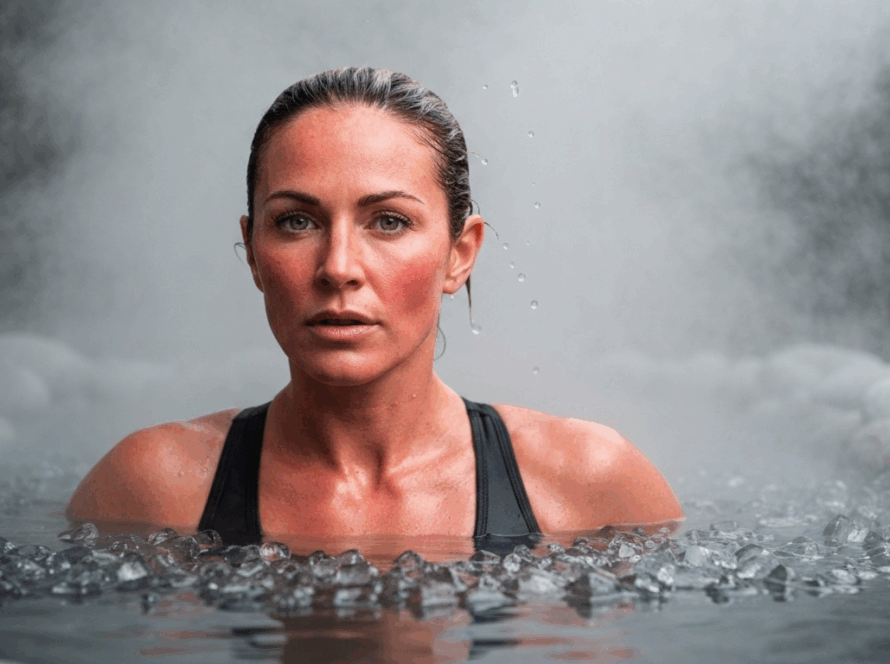
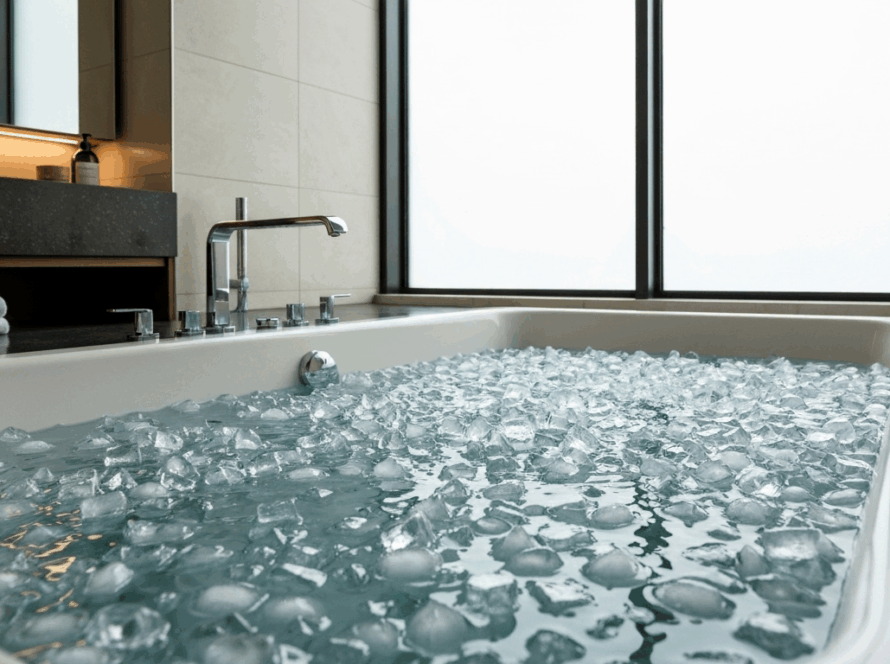
Cold plunge therapy, also called cold water immersion, is when you stay in water that is usually at 50°F or colder. Many athletes have used this kind of cold therapy for years because it helps them recover faster.
One main good thing about cold exposure is that it can lower swelling and muscle soreness. The cold makes your blood vessels get smaller. This helps move out waste in your muscles, like lactic acid, so your muscles feel better.
Cold water treatment not only takes away pain but also helps with blood circulation. When your body tries to warm up again, you get more blood moving, and people often say they feel more alive and less tired in their muscles.
The Science Behind Temperature Contrast
Contrast therapy uses the body’s own reaction to temperature changes. When you go from hot water to cold water, your blood vessels get tight fast. If you move back to hot water, they get wide again.
This back-and-forth—where blood vessels get tight and then open—works like a pump in your body. This is believed to help blood flow better. Better blood flow helps with muscle recovery, as it helps flush out inflammation and brings in fresh, oxygen-rich blood.
Contrast therapy doesn’t just help with sore muscles. It may also support cardiovascular health, since your blood vessels get a workout. It’s a good way to get what both cold water and hot water can do for you.
Benefits of Hot Tubs for Wellness
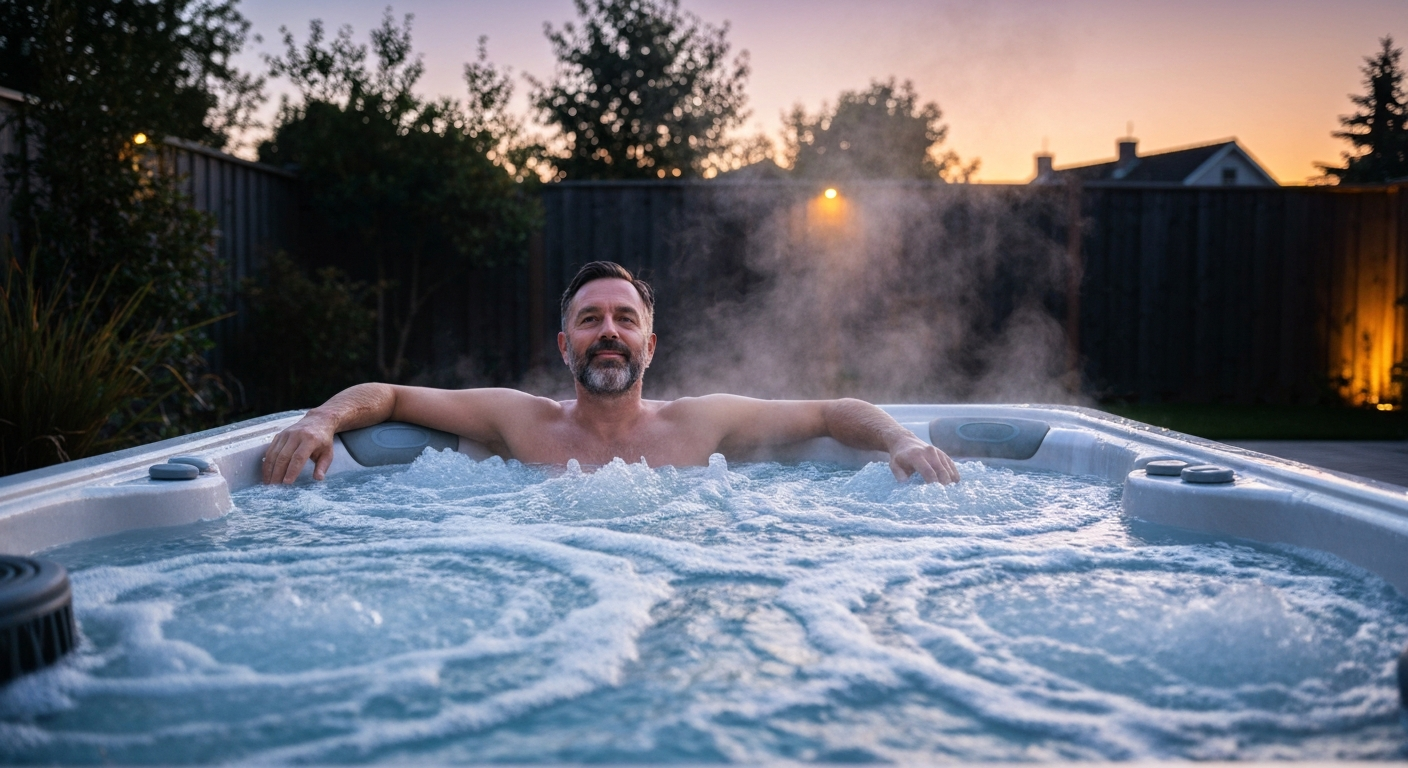 Using a hot tub can give you a lot of health benefits, not just help you relax. The warm water and strong jets work together to give your body a good, calming feeling. This can help you feel better in both your body and your mind.
If you use a hot tub often, you will find it can help with muscle tension and let you get better sleep. Good sleep quality is important for all of us, and sitting in warm water helps with that. Hot tub use is a great thing to add to your daily plan for staying healthy. Let’s see some of the ways hot tubs help when you soak in warm water.
Stress Relief and Relaxation in Hot Water
Soaking in a hot tub is a great way to get stress relief. The warm water feels good on your entire body and helps your muscles let go of all that muscle tension you get during the day.
When your muscles start to relax, your mind will do the same. Having a hot tub creates a gentle space that may help lower blood pressure and cut back on anxiety. Over time, you may feel less tense and more at ease. This is not just about your body—your mind also gets a break.
Scientific studies show that full-body immersion bathing improves circulation, reduces stress and fatigue, and supports overall physical and mental well-being compared to showering alone, as demonstrated in a randomized controlled trial published on PubMed Central.
Muscle Recovery and Pain Reduction
If you have muscle soreness after working out or doing daily things, a hot tub can really help with pain relief. The heat from a hot tub helps to increase blood flow, which is good for muscle recovery.
When there is more blood flow, your body can get rid of what makes you sore. At the same time, this blood brings the oxygen and nutrients your muscles need to get better. The water in a hot tub also gives your body extra support, which takes pressure off your joints and makes you feel less discomfort.
All of these health benefits make a hot tub a great choice if you have an active life. It helps you get better faster so you can feel good and be ready for the next day.
Cardiovascular Health Advantages
Did you know that being in a hot tub often may help make your heart health better? When you sit in warm water, the body temperature rises. The blood vessels open up more.
When this happens, it can help lower your blood pressure and make your heart rate go up. It is like a gentle work out for your body and blood flow system.
A hot tub is not the same as doing real work outs, but having hot tub time in your life may help your cardiovascular health. If you already have a heart problem, make sure to ask your doctor before you start something new like hot tub use.
Benefits of Cold Plunge Tubs
A hot tub helps you feel calm, while a cold plunge wakes you up. Cold water brings some different health benefits. It helps with less swelling in your body and can help your muscles get better faster.
The cold shock can make your body react in strong ways. It can give you more energy, help your blood flow, and make your mind tougher. There are good reasons why so many people now choose cold water and cold plunge as part of their health routine.
Reducing Inflammation with Cold Immersion
One of the best things about a cold bath is that it can help fight swelling in your body. When you get into cold water, it makes your blood vessels smaller. This helps cut down on muscle pain and swelling.
This effect is great after you have done a lot of intense exercise. It helps slow down swelling in your muscles. This is what usually makes you feel sore. Cold immersion can also make your nerve endings numb, so you get quick relief from pain.
On top of that, a cold bath can help your nervous system settle down. At first, the cold will shock you, but soon it brings a calm feeling. If you do this often, it can help you handle stress better.
Boosting Circulation and Energy
Cold water therapy is a good way to help you get more energy. The cold water makes your body react fast. This gives you a jolt of adrenaline that can make you feel more awake and refreshed.
When you do a cold plunge, your body tries to warm itself up again. This makes your blood flow better. Good blood flow brings more oxygen to all parts of your body and helps you feel active.
A hot tub may help your muscles relax deeply, but a cold plunge gets you ready to move. It can be good to start your day or get your body set for a workout with cold exposure instead of using a hot tub.
Enhancing Athletic Recovery
For the,athlete,good and quick muscle recovery is very important to do well. Cold exposure is now used a lot in sports medicine because it is known to help with delayed onset muscle soreness.
Cold plunges work because they bring down swelling and help get lactic acid out from sore muscles. This way,you are able to get back fast after hard workouts. You can then train more and keep at it again without long breaks.
Many top athletes use cold plunges every day as part of their routines. The cold can be a great tool for people who want to get the most out of their bodies and help with muscle recovery. It can really help deal with muscle soreness in all the year and keep you doing your best.
The Power of Using Hot and Cold Tubs Together
Why pick just one when you can enjoy both? The benefits of contrast therapy come from switching between hot and cold water. This is a great way to help with muscle recovery and your overall well-being.
This strong method works to boost blood flow and cut down on soreness better than using just one type of therapy on its own. Because of this, many people say it helps with athletic performance.
Using cold water with hot water gives you more ways to get well and feel better, so you get the most out of your time and effort.
How Alternating Temperatures Aid Muscle Recovery
Contrast bath therapy is highly effective for muscle recovery because it creates a circulatory “pump.” The switch from hot to cold water causes your blood vessels to rapidly change from dilated to constricted, pushing blood through your muscles.
This action enhances blood flow, flushing out metabolic waste that causes muscle soreness and delivering oxygen to aid repair. It can also help improve joint mobility by reducing swelling and stiffness.
This dynamic process provides a more active form of recovery.
| Therapy | Primary Effect on Blood Vessels | Key Benefit for Recovery |
|---|---|---|
| Hot Water | Dilation (widening) | Increases blood flow to deliver oxygen and nutrients. |
| Cold Water | Constriction (narrowing) | Flushes out inflammation and metabolic waste products. |
Safety Guidelines for Contrast Tub Therapy
While contrast therapy can be good for you, make sure to put your safety first. Rapid changes in temperature might stress your body, mainly your heart and blood vessels. So, you need to be careful when you try this.
If you have blood pressure problems, like high blood pressure or low blood pressure, or any other underlying condition with your heart, talk to your doctor before you start contrast therapy. They will let you know if it is good or safe for you.
There are simple things you can do to lower the risk of injury:
- Start with smaller changes in water temperature, and only increase the heat or cold slowly.
- Drink enough water before, during, and after your session to be hydrated.
- Listen to your body. If you get dizzy, feel weak, or just don’t feel well, stop right away.
- Don’t try contrast therapy if you have open wounds or any kind of infection.
Conclusion
To sum up, a hot tub and a cold plunge each help the body in their own way. Sitting in a hot tub feels nice and can help your muscles relax. It is good for muscle recovery and makes stress easier to handle. Cold plunge therapy wakes you up, helps reduce swelling, and improves blood flow. When you use both, you get a strong mix that is good for both muscle recovery and your mental health. Adding hot tub and cold plunge routines can help you deal with stress and make the body feel stronger. If you want to see which works best for you, try getting advice to find the right choice for your home.
Frequently Asked Questions
Can I get a combination cold plunge hot tub for my home?
Yes, you can do it. Eco Hearth gives you new units that mix a hot tub and a cold plunge in one system. These models be made for your home. You will get all the health benefits of both. It be easy to use and also has the latest features.
What features should I look for in a quality hot and cold tub?
Look for hot tubs that let you set the temperature you want. It helps you have true muscle relaxation. Make sure it has strong jets because they also help with this. You want the hot tub to be strong, too, so it works in any weather. If you get a system from Eco Hearth, you will be able to do contrast therapy at home. Their hot tubs use better water cleaning, so using it is easy and works well for you.
Is it safe to use both tubs during one wellness session?
For most healthy people, this is safe. But switching between hot and cold temperatures can change your heart rate and blood pressure fast. If you have an underlying condition, especially heart-related issues, talk to your doctor first. This way, you can avoid adverse effects or lower your risk of injury.