Key Highlights
- Cold water immersion is a popular method for boosting muscle recovery after exercise.
- This technique helps reduce muscle soreness and inflammation by constricting your blood vessels.
- The health benefits extend beyond physical recovery, supporting mental wellness and stress relief.
- Scientific evidence suggests ice baths are particularly effective after high-intensity training.
- Understanding safety precautions is crucial to avoid risks like hypothermia.
- Consistent use can lead to faster recovery and improved athletic performance.
Introduction
Have you ever thought about why athletes use ice baths after they finish playing a big game? People call this cold water immersion. It is now a big thing when it comes to speeding up how fast your muscles heal. You see many sports players and people who like to work out using cold water on purpose, hoping it helps their bodies in many ways. Let’s look at the science behind this cold exposure and see what this recovery technique can do for you.
The Science Behind Recovery Tubs: What You Need to Know
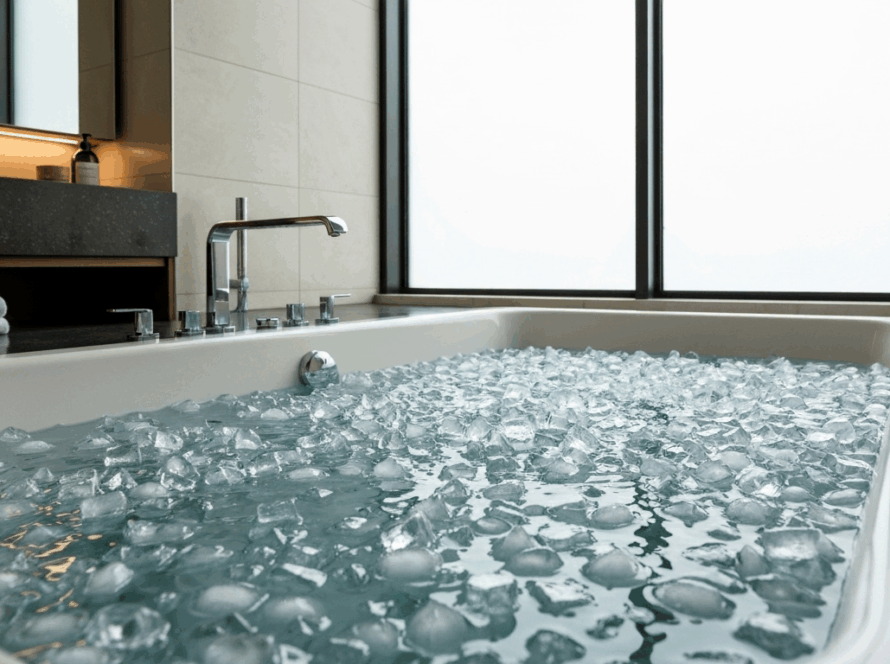
When you get into cold water, the body goes through some changes. This recovery technique can change the way blood moves in your body and help lower swelling after hard exercise. By dealing with these changes, you can lower muscle damage and feel better more quickly.
Do you want to know how this process helps the body heal? We will talk about how cold water therapy works, the top benefits, and what scientific evidence there is for it.
How Cold Water Aids Muscle Recovery
The main way cold water immersion works is by narrowing your blood vessels. When you do a cold plunge after a hard workout, the cold temperature makes your blood vessels get smaller. This is called vasoconstriction. It means less blood can go to your tired muscles for a short time.
Lower blood flow is important because it helps you fight muscle soreness and swelling. It also helps push out waste from your muscles that builds up while you work out, which can cause delayed onset muscle soreness.
When you come out of the cold water, your blood vessels open up again, and fresh blood filled with oxygen goes back to your muscles. This brings your body temperature down. It also helps the healing process begin, so you can recover faster.
The Main Benefits of Cold Plunge Recovery
Cold therapy is about more than just muscle recovery. It can help give you many health benefits that help you feel better day by day. When you do it often, it can be an important part of your health plan. You may see good changes in your body and your mind.
After a cold plunge, you may first feel more awake. Many people also say that they feel in a better mood and have more energy after they do this.
Here are some of the main benefits you can get:
- Faster Muscle Recovery: It helps lower swelling and muscle soreness after you work out.
- Natural Pain Relief: It numbs nerves and gives you quick pain relief.
- Enhanced Mental Wellness: It helps make your body let go of endorphins, so your mood gets better and you get some stress relief.
Scientific Evidence for Baths for Muscle Recovery
The world of sports medicine has used cold water therapy for years, and a growing body of scientific evidence supports its use. While some claims about cold exposure need more research, studies focusing on muscle recovery show promising results. Recovery bath for athletes and active individuals makes it a valuable addition to their recovery routine.
A key review of multiple studies found that cold water immersion was particularly effective for reducing muscle pain after certain types of exercise. Study participants who used cold plunges after high-intensity workouts reported less soreness than those who used passive recovery methods.
| Study Focus | Finding |
|---|---|
| Post-Exercise Recovery | Cold water immersion is more effective at reducing muscle soreness after high-intensity workouts compared to bodybuilding-style training. |
| Immune Response | Some research suggests cold exposure may help train the immune system, but more studies are needed for conclusive evidence. |
Ice Bath Hot Tub Recovery: What’s the Difference?
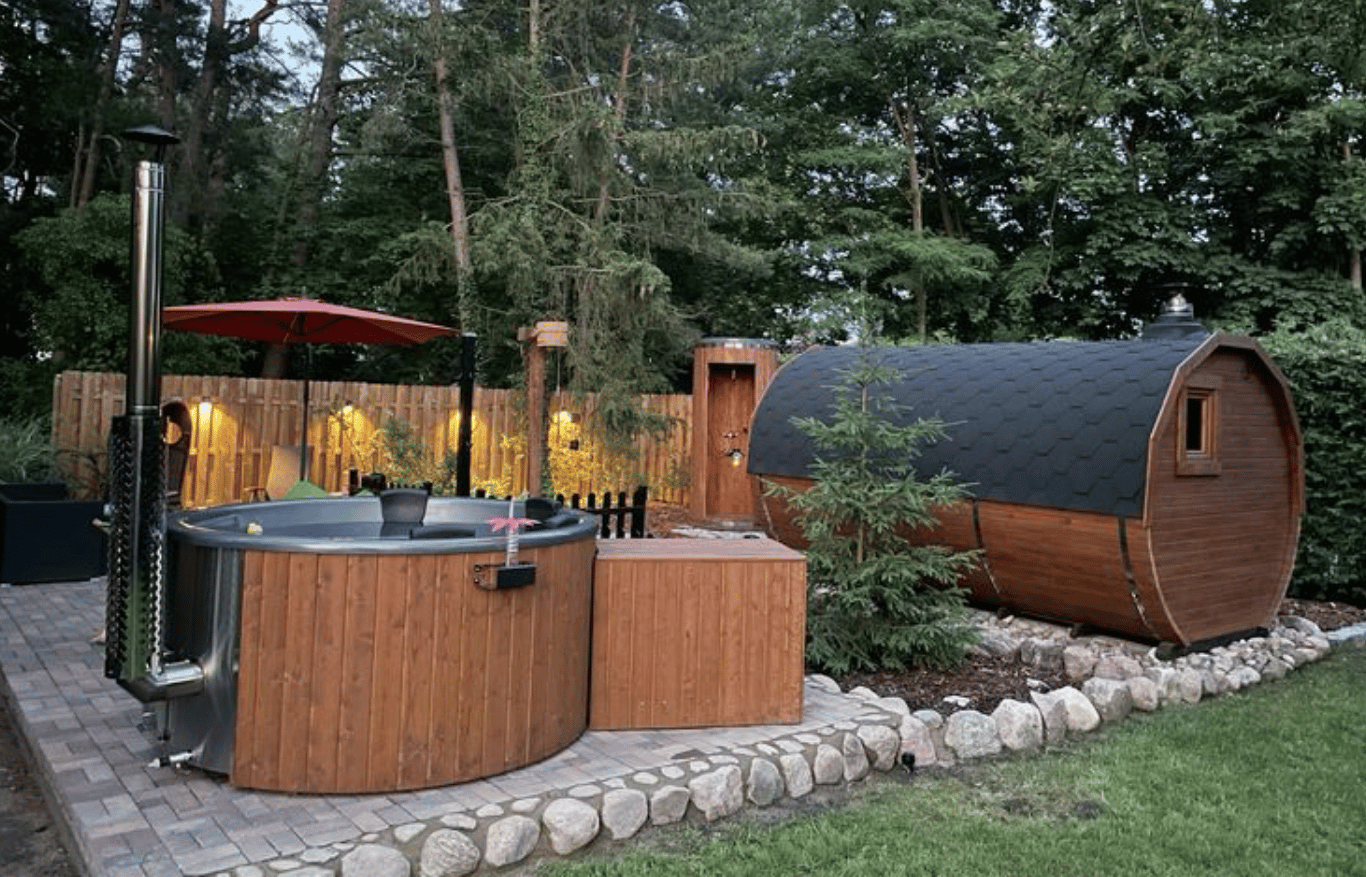
Deciding if you should use a cold plunge or a hot tub really comes down to what you want out of your recovery time. Cold immersion is best if you want to help with muscle soreness and bring down swelling after working out. The cold water makes your blood vessels get smaller. This helps control swelling and can numb pain in your muscle fibers.
Hot water immersion works in the opposite way. It is mostly for relaxing and helping your muscles let go of tightness. When you sit in hot water, your blood vessels get bigger. This increase in blood flow can help with stiff joints, muscle soreness, and give you stress relief. It is a good choice for people who deal with chronic pain or just want to relax. Some people switch between hot and cold water. This is called contrast water therapy.
- Cold Plunge: Best for swelling after a workout and muscle soreness right after exercise.
- Hot Tub: Good for muscle relaxation, letting go of stress, and better blood flow for healing.
Recommended Duration for Cold Bath Recovery
How long you stay in cold water is important for good muscle recovery. Most experts say you should spend about 5 to 15 minutes in the water for best results. This is enough time to cool your body temperature and help reduce swelling.
If you are new to cold water immersion, it is better to start slow. Try just 30 seconds to one minute at first, then add time slowly as your body gets used to it.
Paying attention to your body is very important with this recovery technique. If you stay in for more than 15 minutes, you could see some bad effects and not get extra benefits. It is best to find what works for you so you get the most from each cold water session.
How Often to Use Cold Tubs or Ice for Recovery
Adding cold water to your recovery routine should be done with care. Cold tubs and ice bath can help a lot with muscle recovery after hard training. But, if you use cold water every day, it might not be good. Some studies say doing cold water immersion too often can slow down long-term muscle growth and strength.
When is the best time to get into cold water? Sports medicine doctors say to try an ice bath during very hard training or big events. If you have a long weekend of games or a few tough weeks of practice, taking a cold water plunge may help you control soreness. This also helps you keep up your performance.
If you work out just for fitness, try using an ice bath after your hardest workouts for the week. This is a good way to get muscle recovery and stay on track with your progress in training.
Key Health Benefits of Cold Plunge and Ice Bath Recovery

The health benefits of cold water therapy are impressive. It helps your body in many ways, from how your muscles feel to your mind. When you try a cold plunge, it can help make muscle soreness go away faster. This means you can get back to your workouts and not feel as tired. Cold water also helps with stress relief. Some people find they sleep better after doing cold water therapy.
When you bring this practice into your daily life, you may see good results in your well-being. Cold water plunges can be a nice way to feel better in many areas. Let’s take a closer look at how a cold plunge can give you these health benefits.
Cold Water for Muscle Recovery and Inflammation
Yes, ice baths can work well to cut down muscle soreness. When you use your body in a workout, you get small tears in the muscle, and that leads to soreness and swelling. Cold water plays a big part in helping here.
The cold temperature makes your blood vessels get smaller. This keeps swelling and muscle soreness lower by keeping the area tight. You get pain relief from this because the cold water slows down the nerve signals that say you are in pain.
If you use cold water right after you finish working out, you can handle inflammation better. This will lower delayed onset muscle soreness. You feel less pain after you work out and you can get back to your training faster.
Boosting Athletic Performance with Ice for Recovery
For people who play sports, getting faster recovery can help with better athletic performance. If you recover well after intense training, you can train more often and do your best each time. Cold water immersion is a recovery technique that can give you an advantage.
When you use cold water, it can lower muscle soreness and cut down on swelling. This helps your body get better faster. That way, you feel fresh and ready to go back to your next session quicker. Lots of people in sports medicine believe it is a main tool for dealing with the hard workload from heavy practice or back-to-back events.
In the end, faster recovery helps your physical performance. If the body does not hurt from soreness and feels less tired, you get to perform at your best—inside the gym or when you are out on the field.
Supporting Mental Wellness and Stress Relief
The benefits of a cold plunge are about more than just your muscles. This can help your mind and give you good stress relief too. When you get into cold water, your body starts to make endorphins. Endorphins can lift your mood and make you feel more awake and fresh.
When you feel that cold shock, it wakes up your nervous system. It can also help bring down the stress hormone called cortisol. With time, it may help you get better at handling stress each day. Many people say a cold plunge helps with sleep quality as well.
- Mood Boost: Helps your body let out endorphins and noradrenaline, which may ease worry and upset feelings.
- Increased Alertness: The rush from the cold water can fight off tiredness and make you feel more ready to go.
Safety, Risks, and Best Practices for Cold Bath Recovery
While this recovery technique using cold water has many good points, you should put safety first. The shock of cold water can be risky, and some people can have problems like hypothermia. You need to think about your health and your personal preferences before you try it.
If you follow best practices, you can get the good effects of cold plunges and not have problems. Below, you will see risks to watch out for, tips for safe at-home sessions, and advice on who needs to be careful with this practice.
Potential Risks and Precautions for Ice Bath Recovery
Yes, you should know about some side effects when you use cold water for recovery. The most important one is the cold shock response. When you get into very cold water, you might gasp and start to breathe fast. Your heart rate and blood pressure can also go up during this time.
If you stay in the cold temperature for too long, you risk getting hypothermia. This means your body temperature drops too much, and that can be very harmful. So, it’s good to limit your time in the cold water and pay attention to what your body tells you.
Before you start, keep these things in mind:
- Consult a Professional: Talk to your doctor first if you have heart problems, high blood pressure, or any other long-term health issue.
- Limit Your Time: Try to use the cold water for just 5-15 minutes to lower the risk of hypothermia.
- Never Plunge Alone: If you are new to this or swimming in open water, always have someone with you.
Tips for Safe At-Home Cold Plunge Recovery
Trying cold water therapy at home can be safe and can help your recovery routine feel good. The main thing is to start slow and slowly help your body get used to it. You do not have to get into a bath full of ice the first time.
A good way to start with cold water therapy is by taking cold showers or filling your tub with cool, but not too cold, water. This helps your body get used to the cold water without getting a big shock. If you use a nice tub from Eco Hearth, it can make things safer and easier, because you will not have to guess the water temperature or worry about setting things up.
Here are some tips for a safe experience:
- Start Small: Try cold showers for 30 seconds and then do longer ones over time.
- Control the Temperature: Begin with cool water (about 50-60°F) before you try colder water.
- Listen to Your Body: If you feel dizzy, shiver too much, or hurt, get out right away.
Using cold showers, or other ways to do cold water therapy, can be a good part of your recovery routine. Just make sure you go at your own pace and pay attention to how you feel.
Who Should Avoid Cold Tub Recovery?
Cold tub recovery can help many people. But it is not right for everyone. Personal preferences matter, but some health problems can make it risky. The quick change in temperature can put a lot of stress on your heart and your whole body.
People, who have health issues already, need to be very careful. The cold shock from a cold plunge can make your blood pressure and heart rate go up fast. This could be bad for those who have heart trouble. It is always a good idea to talk to your doctor before you try it, so you know it will be safe for you.
You should stay away from cold plunges or be extra careful if you:
- Have a history of heart disease, high blood pressure, or problems with blood flow.
- Are pregnant.
Conclusion
In short, using recovery tubs with cold water can help you improve the way you feel after intense workouts. Cold water therapy is a good way to ease muscle soreness and lower any swelling you may get. This method can also help your mind, as the ice bath gives you a way to step away from stress. When you add these cold water strategies to your routine, you can help your body recover faster, and that means you do better in all your athletic performance.
You should always take care of safety, and talk to a professional when needed. If you want to learn more about the best ice bath choices, reach out to us. Your health and athletic journey can take a step up starting now.
Frequently Asked Questions
Is cold bath recovery effective for all athletes?
Cold bath recovery helps most athletes, mainly after intense workouts. It can help muscle recovery and improve athletic performance. But, some people in sports medicine say that if you want to build the most muscle size, it might be better to avoid cold exposure too often. This is because it can slow down that muscle-building goal a little bit.
Can I alternate between ice bath and hot tub recovery?
Switching between cold immersion and hot water immersion is known as contrast water therapy. This way is popular for many people. It can help boost blood flow. It may also bring down muscle soreness and help the healing process. This happens because your blood vessels get smaller with the cold and then bigger with the hot water. This up and down action helps your body feel better.
How do I find the best ice bath recovery near me?
You might search for places near you, like a spa or gym. But the best and easiest way is to have your own ice bath at home. An Eco Hearth ice bath lets you get pro-level recovery right in your house. You can enjoy all the health benefits at any time that works for you.