Key Highlights
- Sauna use is scientifically linked to lower cardiovascular and all-cause mortality
- Heat exposure activates heat shock proteins (HSPs) that protect cells and slow aging
- Proper sauna technique improves heart health, metabolism, skin quality, and mental well-being
- Optimal benefits come from consistent, moderate sessions, not extreme heat
- Correct hydration and safety protocols are essential for safe sauna practice
Introduction
Traditional dry sauna bathing is far more than a relaxation ritual. Decades of scientific research — particularly long-term studies from Finland and Japan — show that regular sauna use can significantly improve cardiovascular health, reduce the risk of dementia, enhance metabolic function, and support overall longevity.
When used correctly, a sauna becomes a structured wellness tool, comparable to moderate exercise in its physiological impact. This guide explains how to use a sauna properly, based on evidence-based protocols, so you can maximize benefits while staying safe.
The Science Behind Sauna Heat Therapy

What Happens Inside Your Body During a Sauna Session
In a traditional dry sauna heated to 80 – 90°C, the body activates powerful thermoregulatory mechanisms to maintain internal balance. Within minutes, skin temperature rises to around 40°C, signaling the hypothalamus to initiate heat-dissipation processes.
Blood vessels near the skin dilate, allowing heat to escape more efficiently. During this process, up to 50 – 70% of cardiac output is redirected to the skin, significantly increasing circulation. At the same time, core body temperature rises by 1 – 2°C, which is enough to trigger beneficial physiological adaptations without reaching dangerous levels.
To support this response, heart rate increases to 100 – 150 beats per minute, comparable to moderate aerobic exercise. This passive cardiovascular stimulation improves blood flow, vascular elasticity, and overall heart efficiency, all without physical movement.
Heat Shock Proteins (HSPs): The Cellular Longevity Mechanism
One of the key benefits of sauna heat therapy is the increased production of heat shock proteins (HSPs), especially HSP70. These proteins act as molecular protectors, stabilizing other proteins and preventing misfolding associated with aging and neurodegenerative diseases such as Alzheimer’s and Parkinson’s.
Heat exposure also enhances autophagy, the cellular recycling process that removes damaged components and supports regeneration. Through repeated, controlled heat stress, cells become more resistant to inflammation, oxidative damage, and metabolic strain.
This adaptive response is known as hormesis, a process in which short-term stress leads to long-term cellular resilience and improved longevity.
Proven Health Benefits of Regular Sauna Use
Decades of epidemiological and clinical research confirm that regular sauna bathing delivers wide-ranging health benefits, affecting nearly every major system in the body. From cardiovascular protection to cognitive resilience and stress reduction, sauna use functions as a powerful form of passive therapy when practiced consistently.
Cardiovascular Health and Longevity
The strongest scientific evidence for sauna benefits comes from large-scale, long-term cardiovascular studies. The most well-known is the Kuopio Ischemic Heart Disease Risk Factor Study, which followed over 2,300 middle-aged adults for more than 20 years.
Results showed that individuals who used a sauna 4–7 times per week experienced up to a 40% reduction in all-cause mortality, along with a significantly lower risk of fatal cardiovascular events. Even moderate use, 2 – 3 sauna sessions per week, was associated with measurable improvements in heart health.
Regular sauna bathing improves:
- Blood pressure regulation
- Endothelial function (the ability of blood vessels to dilate properly)
- Arterial elasticity and circulation efficiency
These effects are largely driven by repeated heat-induced vasodilation, increased cardiac output, and improved nitric oxide availability, all of which support long-term cardiovascular resilience.
Metabolic Health and Weight Support
Although sauna use should not be viewed as a direct weight-loss tool, it plays a meaningful role in metabolic health optimization. During a sauna session, heart rate rises to levels similar to light or moderate exercise, increasing energy expenditure and improving circulation.
Research shows that regular sauna users often experience:
- Improved insulin sensitivity
- Better glucose regulation
- Reduced LDL cholesterol and triglyceride levels
- Improved overall lipid profiles
Notably, several studies report measurable metabolic improvements within just 2 – 4 weeks of consistent sauna use. These benefits make sauna therapy a valuable complement to exercise and healthy nutrition, particularly for individuals managing metabolic syndrome or insulin resistance.
Skin Health and Anti-Aging Effects
Sauna heat significantly increases blood flow to the skin, by as much as 50 – 70% enhancing oxygen delivery and nutrient transport while accelerating the removal of metabolic waste. This improved circulation stimulates cellular activity within the skin’s deeper layers.
Regular sauna use has been associated with:
- Increased collagen and elastin production
- Improved skin elasticity and hydration
- Reduced inflammation and oxidative stress
- Faster wound healing and tissue repair
While sweating does help cleanse pores, most detoxification claims are overstated. The true skin benefits of sauna therapy come from enhanced circulation, cellular regeneration, and reduced inflammatory load rather than toxin elimination.
Brain Health and Dementia Risk Reduction
One of the most compelling findings in sauna research is its association with long-term brain health. Frequent sauna users show up to a 66% lower risk of developing dementia and Alzheimer’s disease compared to infrequent users.
Several mechanisms likely contribute to this protective effect:
- Improved cerebral blood flow and oxygen delivery
- Reduced systemic inflammation
- Activation of heat shock proteins that protect neural tissue
- Indirect cardiovascular benefits that lower vascular dementia risk
Together, these adaptations support cognitive resilience and may slow age-related neurodegeneration.
Mental Health and Stress Reduction
Sauna therapy has a powerful effect on the nervous system, shifting the body from a stress-dominant state into parasympathetic (“rest and digest”) activation. This physiological shift leads to measurable mental health benefits.
Regular sauna use is associated with:
- Lower cortisol levels
- Increased endorphin release
- Reduced anxiety and depressive symptoms
- Improved sleep quality and relaxation
Clinical trials show that even short, consistent sauna sessions can significantly improve mood, emotional regulation, and overall psychological well-being, making sauna bathing a valuable tool for stress management in modern life.
How to Use a Sauna Correctly: Step-by-Step Guide
Using a sauna correctly is essential for maximizing health benefits while minimizing cardiovascular strain and dehydration risk. Proper breathing, body positioning, session timing, and temperature progression allow the body to adapt safely to heat stress and activate the physiological mechanisms responsible for sauna’s therapeutic effects.
Optimal Sauna Breathing Technique
Breathing plays a critical role in how your body responds to heat exposure. The optimal technique during a sauna session is slow, diaphragmatic nasal breathing. Breathing through the nose naturally filters, warms, and humidifies the air, protecting the respiratory tract from dryness caused by hot environments.
As you inhale, allow the abdomen to expand rather than lifting the chest. This diaphragmatic breathing pattern reduces unnecessary muscular tension and helps regulate heart rate. A commonly recommended rhythm is 4 – 5 seconds on the inhale and 6 – 7 seconds on the exhale, which promotes parasympathetic nervous system activation.
Talking, excessive movement, or rapid breathing increases metabolic heat production and cardiac workload. Remaining still and quiet allows the body to focus on heat adaptation, enhancing relaxation and improving cardiovascular efficiency during the session.
Best Sauna Position: Sitting vs Lying Down
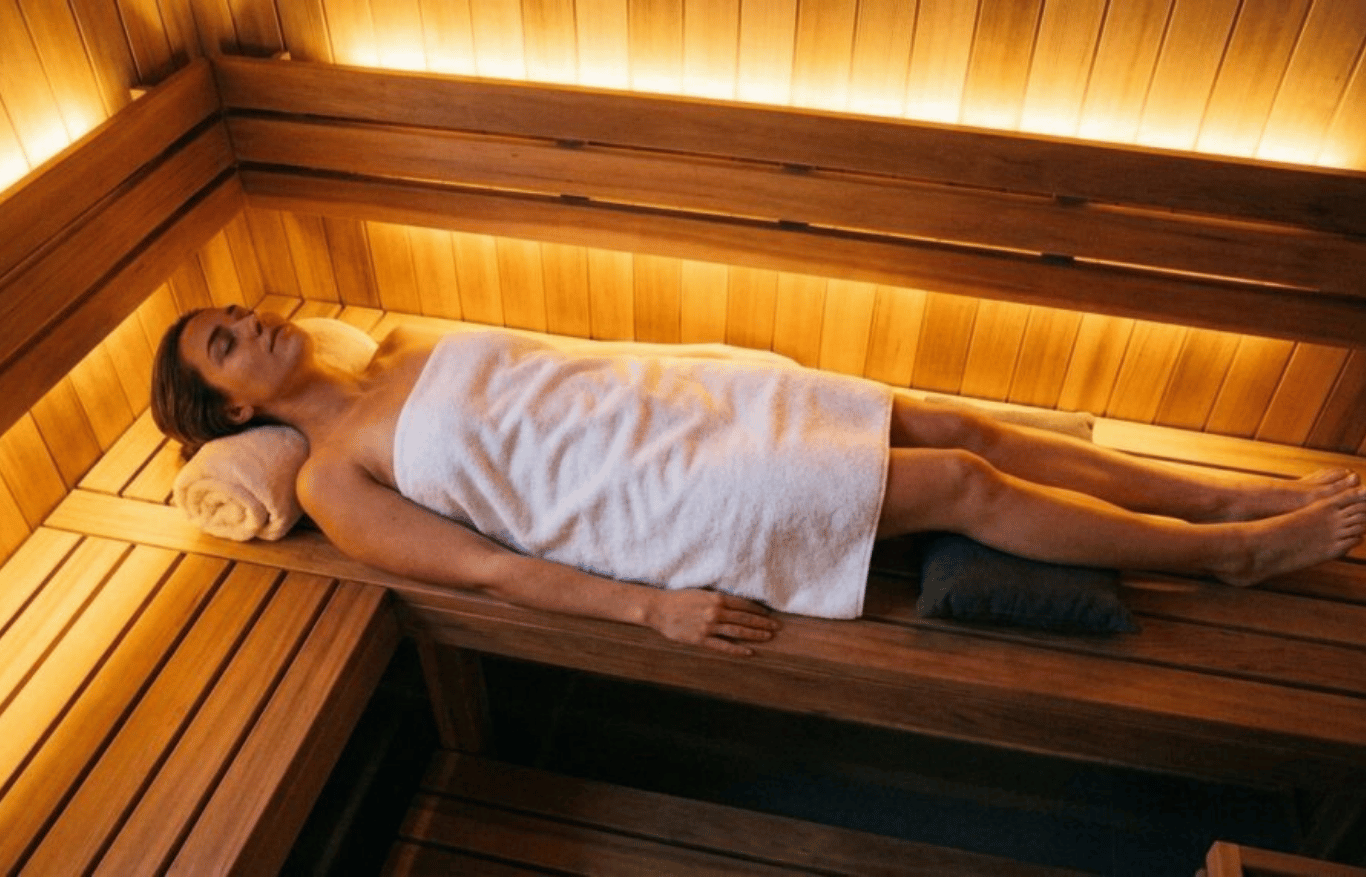
Body position significantly influences comfort and heat distribution in a sauna. Lying down on a bench is considered the optimal position whenever space allows, as it ensures even heat exposure across the entire body. This prevents excessive head overheating, which can occur when sitting upright due to rising hot air.
If sitting is necessary, it is important to keep the feet elevated at bench level, rather than letting them hang down. This position helps prevent blood pooling in the lower extremities and reduces the risk of dizziness when standing up.
Beginners should always start on lower benches, where temperatures are typically 10 – 15°C (18 – 27°F) cooler than upper levels. Sudden standing or rapid position changes should be avoided, as heat-induced vasodilation can cause temporary drops in blood pressure, leading to lightheadedness.
Recommended Sauna Session Structure
A structured sauna session allows the body to adapt gradually while maximizing therapeutic effects. Most evidence-based sauna protocols follow a three-stage model: adaptation, main heat exposure, and recovery.
Stage 1: Adaptation Phase (8–10 Minutes)
The initial phase should be spent at a moderate temperature of 65 – 75°C (149 – 167°F), ideally on a lower bench. This stage allows the cardiovascular system to adjust gradually to rising heat. Focus on slow breathing, relaxation, and stillness. Skipping this phase may increase cardiovascular strain, especially for beginners.
Stage 2: Main Heat Exposure (10 – 20 Minutes)
During the main phase, temperature is typically increased to 80 – 90°C (176 – 194°F). This is when the primary physiological benefits occur, including peak heat shock protein production, enhanced circulation, and metabolic activation.
Experienced users may remain in this phase for up to 20 minutes, while beginners should limit exposure to 5 – 10 minutes. Discomfort is a signal to exit — sauna sessions should never be treated as endurance challenges.
Stage 3: Cooling and Recovery (10 – 15 Minutes)
After exiting the sauna, cooling should be gradual rather than abrupt. Begin with lukewarm water before transitioning to cooler temperatures if desired. Resting in a comfortable environment allows heart rate and blood pressure to normalize.
Hydration during this phase is essential. Only after full recovery should a second sauna round be considered.
Sauna Frequency and Temperature Guidelines
The health benefits of sauna bathing depend more on consistency than on extreme heat or long sessions. Gradual progression allows the body to improve thermoregulation and cardiovascular efficiency over time.
Beginner Protocol:
New users should start with 1 – 2 sessions per week at 65 – 70°C (149 – 158°F) for 8 – 10 minutes. This allows safe adaptation and reduces the risk of overheating.
Intermediate Protocol:
With improved heat tolerance, frequency can increase to 2 – 4 sessions per week, with temperatures of 75 – 80°C (167 – 176°F) and session durations of 12 – 15 minutes.
Advanced Protocol:
Experienced sauna users may safely enjoy 4 – 7 sessions per week at 80 – 90°C (176–194°F) for 15 – 20 minutes, provided hydration and recovery protocols are followed.
In all cases, regular moderate use delivers greater long-term benefits than occasional extreme sessions.
Hydration and Safety Rules
Proper hydration and safety awareness are fundamental to safe and effective sauna use. Most adverse sauna-related events occur not because of heat itself, but due to dehydration, alcohol use, or ignored warning signs. Following evidence-based hydration protocols and listening to your body ensures that sauna therapy remains both beneficial and safe.
Proper Sauna Hydration Protocol
Sauna-induced sweating can reach 0.5 – 1 liter per session, depending on temperature, duration, and individual physiology. This fluid loss includes not only water but also essential electrolytes, primarily sodium, along with potassium and magnesium, which are critical for nerve signaling, muscle contraction, and cardiovascular stability.
Before entering the sauna, it is recommended to drink approximately 500 ml of water enhanced with electrolytes. Adding sodium helps maintain plasma volume and supports normal blood pressure during heat exposure.
For individuals performing multiple sauna rounds, sipping 250 – 500 ml of water between sessions helps offset ongoing sweat losses and prevents cumulative dehydration.
Within 30 minutes after the session, rehydration should include 500 – 750 ml of water containing sodium, potassium, and magnesium. This accelerates recovery, reduces muscle cramping, and supports heart rhythm stability.
Alcohol and caffeine should be avoided before sauna use. Both substances impair thermoregulation, increase dehydration risk, and place additional strain on the cardiovascular system. Notably, many documented sauna-related fatalities have involved alcohol intoxication.
When to Exit the Sauna Immediately
A sauna session should always feel challenging but never overwhelming. The body provides clear warning signs when heat stress exceeds safe limits.
You should exit the sauna immediately if you experience:
- Dizziness, nausea, or lightheadedness
- Chest pain, pressure, or irregular heartbeat
- Headache, confusion, or difficulty concentrating
- Dry mouth, intense thirst, or reduced sweating
Loss of sweating during extreme heat is a serious warning sign indicating impaired thermoregulation. Sauna bathing should not be treated as a test of endurance or willpower — benefits arise from controlled exposure, not from pushing through distress.
Cultural Sauna Traditions Around the World

Sauna and heat bathing traditions have existed across cultures for thousands of years, long before modern scientific validation. These practices highlight the universal human understanding of heat as a tool for cleansing, healing, and restoration.
Finnish Sauna Culture
Finland is considered the birthplace of the modern sauna, with more than 2 million saunas for a population of 5.5 million. Traditional Finnish saunas operate at 80 – 100°C (176 – 212°F) in dry air conditions. A defining feature is löyly – the act of pouring water over hot stones to create brief bursts of steam that intensify heat perception.
Finnish sauna rituals often include hot-cold contrast exposure, such as cold showers, lake immersion, or snow bathing. This temperature alternation enhances cardiovascular responsiveness and recovery. In recognition of its cultural importance, Finnish sauna culture was added to UNESCO’s Intangible Cultural Heritage list.
Japanese Onsen and Infrared Sauna Traditions
While Japanese onsen (natural hot springs) and sentō (public bathhouses) differ from dry saunas, they share the same philosophy of bathing as a therapeutic ritual rather than simple hygiene. Japan has also been a pioneer in far-infrared sauna research, with numerous clinical studies demonstrating benefits for cardiovascular health, pain reduction, and relaxation.
Japanese sauna culture emphasizes calmness, mindfulness, and structured bathing routines, aligning closely with modern wellness principles.
Native American Sweat Lodges
Indigenous sweat lodge ceremonies across North America use lower temperatures and higher humidity compared to dry saunas. Heated stones and enclosed spaces promote intense sweating while maintaining a strong spiritual and communal focus.
Beyond physical cleansing, sweat lodges serve as spaces for emotional release, reflection, and group healing. While not identical to modern sauna use, they demonstrate the long-standing human relationship with heat therapy.
Turkish Hammam Tradition
The Turkish hammam is a unique heat-bathing system based on radiant heat rather than hot air. Warm marble surfaces, high humidity, and a multi-stage progression through increasingly warm rooms allow for gradual thermal adaptation.
The ritual includes warming, washing, exfoliation, and cooling, a structure that closely mirrors modern sauna protocols emphasizing progressive heat exposure and recovery. Hammams also play an important social and cultural role, reinforcing the communal aspect of heat therapy.
Conclusion
Using a sauna correctly transforms it from a simple heat experience into a powerful health-promoting practice backed by scientific evidence. Regular, moderate sauna use improves cardiovascular health, supports brain function, enhances skin quality, and reduces stress. The key is to stay hydrated, listen to your body, and focus on consistency over intensity. If you’re thinking about getting a sauna, you can fill out a form, and ECO Hearth will help you choose the right one for your needs.
FAQ – Frequently Asked Questions
How often should I use a sauna for health benefits?
For optimal health benefits, it is recommended to use a sauna 3 – 4 times per week, which has been shown to improve cardiovascular function, support brain health, reduce stress, and enhance metabolic and skin health. Even 2 sessions per week provide measurable improvements, making regular, consistent use more important than session length or extreme temperatures.
How long should a sauna session last?
A typical sauna session should last between 10 and 20 minutes, depending on your experience, heat tolerance, and the sauna temperature. Beginners should start with shorter sessions of around 8 – 10 minutes, gradually increasing over time. Exceeding 20 minutes, especially at high temperatures, can increase the risk of dehydration or cardiovascular strain, so moderation is key.
Is sauna use safe for heart health?
For most people, sauna use is safe and beneficial for heart health, as it improves circulation, reduces blood pressure, and strengthens cardiovascular function. However, individuals with recent heart attacks, unstable angina, severe aortic stenosis, or uncontrolled arrhythmias should consult a physician before using a sauna to ensure safety and avoid potential complications.
Can sauna help with weight loss?
Sauna use can support metabolism by increasing heart rate and energy expenditure, similar to light physical activity. It may aid in temporary water weight loss through sweating, but it does not directly burn fat or replace the need for regular exercise and a healthy diet. Long-term weight management still relies on lifestyle habits.