Key Highlights
- Discover thermowood cladding fixing details, how hidden fasteners create a flawless, screw-free look for your exterior cladding.
- Learn why using durable stainless steel screws and clips is essential for preventing rust and stains.
- Proper spacing and ventilation are crucial for protecting your cladding from moisture damage.
- Concealed fixing methods ensure a beautiful and long-lasting finish for your project.
Introduction
Thermowood is a good pick if you want strong and nice-looking exterior cladding. The wood can handle weather and it does not rot easily. This makes it a great material to use. But to keep your project looking good for a long time, you need to put it in the right way. When you use the right fixing details, like hidden fasteners, your thermowood products will look good and last for many years.
Essential Thermowood Cladding Fixing Details for Hidden Fasteners
When you put up your thermowood cladding, you get a nice and modern look by using hidden fasteners. With these, the boards are held in place from behind. This means you will not see any screws on the front of the wood. It is not only about how it looks. The hidden fasteners also help keep moisture away from the timber.
When you put in hidden fasteners the right way, each board stays firm on the batten frame. At the same time, the boards can breathe. This lets air move, so no water gets stuck, and your thermowood products last longer and look good for more time. Here, we will see what systems and ways work best for thermowood, moisture, and batten setups.
Choosing the Best Hidden Fastener Systems for Thermowood Cladding
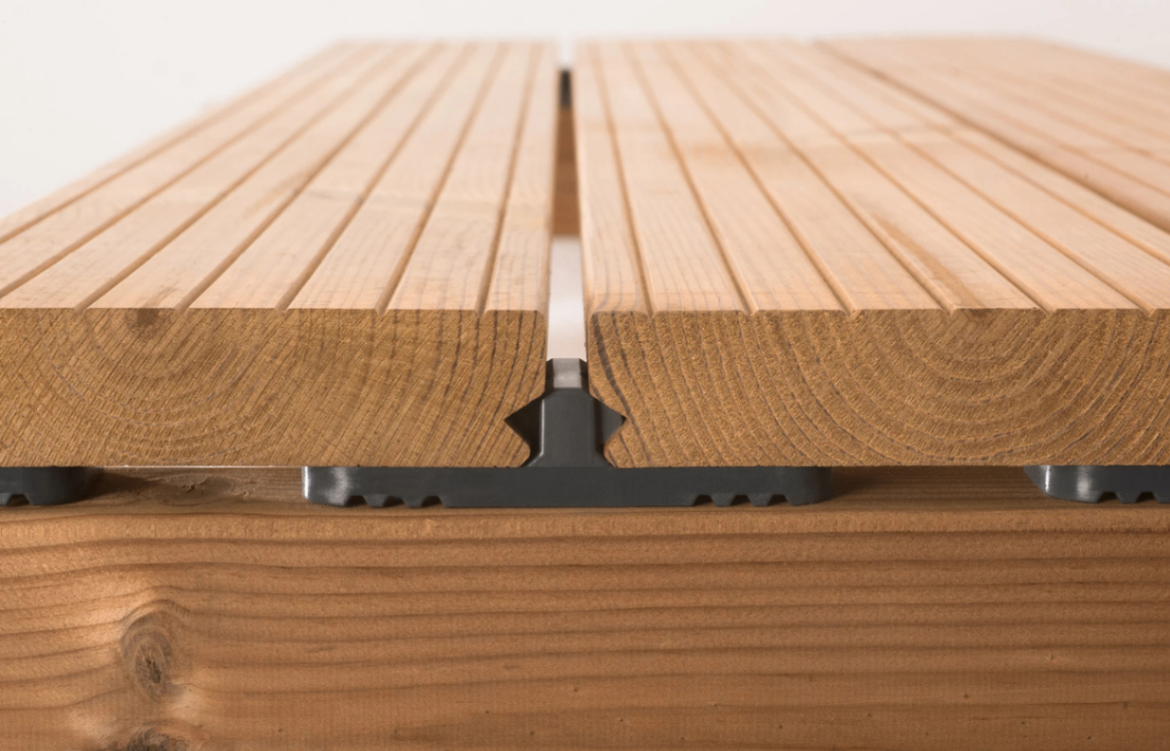
The secret to getting a screw-free surface is using a hidden fastener system. These clips are made to fit into the groove at the edge of each cladding board. You just attach the clip to the batten. Then you can slide the next board into place.
This system is designed to make installation quick and simple. It is one of the most efficient ways to install cladding, allowing you to achieve a professional result in a short time. The surface looks clean and smooth, as there are no visible fasteners or hardware.
Key systems include:
- Clip Strips: Fast and easy, helps you get a uniform gap.
- Individual Clips: Good for different board profiles.
Board Spacing, Fastener Placement, and Pre-Drilling Techniques
Proper board spacing is vital. Even though thermowood is very stable, it still needs a little room to expand and contract with changes in humidity. A small gap of 1-2 mm between boards is usually enough to prevent stress and buckling. This also helps with airflow, which is key to managing moisture.
For some thermowood, especially harder varieties, pre-drilling is recommended. Pre-drilling a hole slightly larger than the screw shank prevents the wood from splitting when you drive the screw into the batten. This ensures a secure hold without damaging the board.
| Technique | Recommendation | Purpose |
|---|---|---|
| Board Spacing | 1-2 mm gap | Allows for thermowood movement. |
| Pre-Drilling | Yes, for harder thermowood | Prevents wood from splitting. |
| Fastener Placement | At every batten | Ensures a secure and stable installation. |
Proven Methods for Installing Thermowood with Concealed Fixings
No matter if you want your thermowood cladding to go across or up and down, using concealed fixings is the best way to get a strong, smooth look. This method helps you have an exterior cladding that shows no visible screws and keeps the wood looking its best.
The steps you need to take can change a bit based on how you want the thermowood cladding to sit. But you will always aim for a tight fit with great airflow. If you follow the right directions, your Eco Hearth thermowood products will look good and stay tough for many years.
Step-by-Step Guidance for Horizontal and Vertical Thermowood Cladding Installation
The batten structure is important for a good installation. The way you want your cladding to look will decide how you set up the battens.
If you want horizontal cladding, put up one layer of vertical battens. If you want vertical cladding, use two layers. First, put up vertical battens, and then place horizontal battens over those. This setup makes an air gap so moisture can get out. When the battens are done, you can use hidden clips. These go into the groove of each board.
Here are the main steps to install:
- Put up the batten structure the right way for how you want your boards.
- Begin with the first board. Check that it is level.
- Use hidden clips at every batten to keep the boards in place.
- Leave a small space of 2 mm between boards. This lets them move as needed.
Ensuring Proper Ventilation and Avoiding Common Installation Mistakes
Good ventilation is key if you want your exterior cladding to last. Be sure that there is an air gap behind the boards. This helps air move and keeps moisture from getting stuck. If you let water sit there, it can harm your wall. Make a clear opening at the top and bottom of the wall. That will help keep things dry.
A lot of problems happen because people skip this step. If you do not have ventilation, even strong thermowood will not last as long as it should. Stick to the best methods, and you will not have to worry about these things with your exterior cladding.
Common mistakes to stay away from:
- Not leaving a ventilated air gap behind the cladding.
- Spacing battens too far apart for the size of the board.
- Picking fasteners that are wrong for the job or can rust, which will stain the wood.
In short, if you protect your thermowood from moisture and follow these few steps, your exterior cladding will stay strong for a long time.
Expert Tips on Thermowood Fixing Hardware Selection
Picking the right fixing hardware is as important as picking the cladding. Your nice thermowood needs to have fasteners that will last as long as the wood itself. So, it’s not a good idea to save money by choosing cheap screws and clips.
The type of fasteners makes a big difference. Some can be cheap at first, but these may give you trouble later. We will go over why stainless steel is the top choice for most people. We will also talk about how the thickness of the board can change what hardware you need.
Stainless Steel, Galvanized, and Recommended Screws or Nails
When selecting fixing hardware, always choose stainless steel. Thermowood does not contain the corrosive tannins of some other woods, but stainless steel fasteners are the only way to guarantee a rust-free finish. Rust can cause ugly streaks on your cladding, ruining its appearance.
Galvanized nails or screws are not recommended for long-term exterior use with premium thermowood products. They lack the corrosion resistance of stainless steel and can fail over time, especially in coastal areas. For decking boards and cladding, stainless steel is the only reliable option for a durable, clean look.
| Fastener Type | Suitability for Thermowood | Reason |
|---|---|---|
| Stainless Steel (A2/A4) | Highly Recommended | Rust-proof, durable, no staining. |
| Galvanized | Not Recommended | Can rust over time and cause stains. |
| Ring or Twisted Nails | Recommended (if not using screws) | Provides better grip than smooth nails. |
How Board Thickness Influences Thermowood Fixing Strategies
The thickness of your thermowood boards is important for how you fix them in place. If the boards are thicker, they will weigh more. You need strong support for these heavy boards. As a basic rule, use screws that are at least two times as long as the board is thick. This helps each board attach well to the battens.
If the cladding boards are thin, you will need to give them more support. Most of the time, battens are spaced about 600 mm apart. But for boards that are 19 mm thick or thinner, you should use only 400 mm between battens. This setup will keep your thermowood boards from bending out of shape. It also helps them stay flat and durable.
Here are some things to remember:
- Fastener Length: Pick screws that are at least 2 times the board’s thickness.
- Batten Spacing: You should have less space between battens for boards under 19 mm thick.
- Support: Good support will keep your thermowood products strong and in place.
Conclusion
To sum up, knowing about thermowood cladding and how to use hidden fasteners helps you get a strong and good-looking finish. When you follow the steps in this guide, like picking the right fastener systems, making sure the space between the boards is right, and not making common mistakes, you can make your cladding last longer and work better. Using these tips does not just make things look good, it also helps keep your project solid. If you have questions or need help, reach out to us for advice and support.
Frequently Asked Questions
Is pre-drilling necessary for thermowood cladding fixings?
Yes, it is often good to pre-drill, mainly when you work with harder thermowood products. When you do this, it stops the wood from splitting as you put in screws. It helps you get a strong hold and a clean look. This simple step is important to keep your thermowood cladding strong and durable.
Are concealed fixings always better than face fixings for thermowood?
If you care about looks, it is best to go with concealed fixings. They give a clean, modern look. There are no screws that you can see. Most people want this kind of style for their thermowood cladding. Concealed fixings also help keep moisture out. There won’t be screw holes for moisture to get into the wood.
What maintenance is required for hidden fasteners in thermowood cladding?
There is no real risk. If you pick good stainless steel hidden fasteners, these will not rust or wear out. This is one big reason to use the right materials from the start on your exterior cladding. It will help make your thermowood products easy to care for and last a long time.