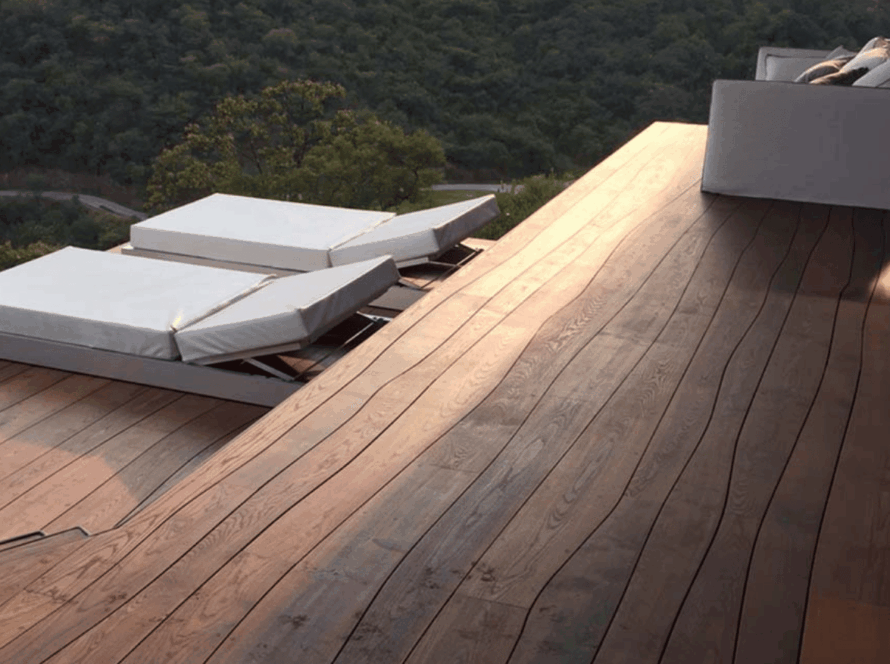
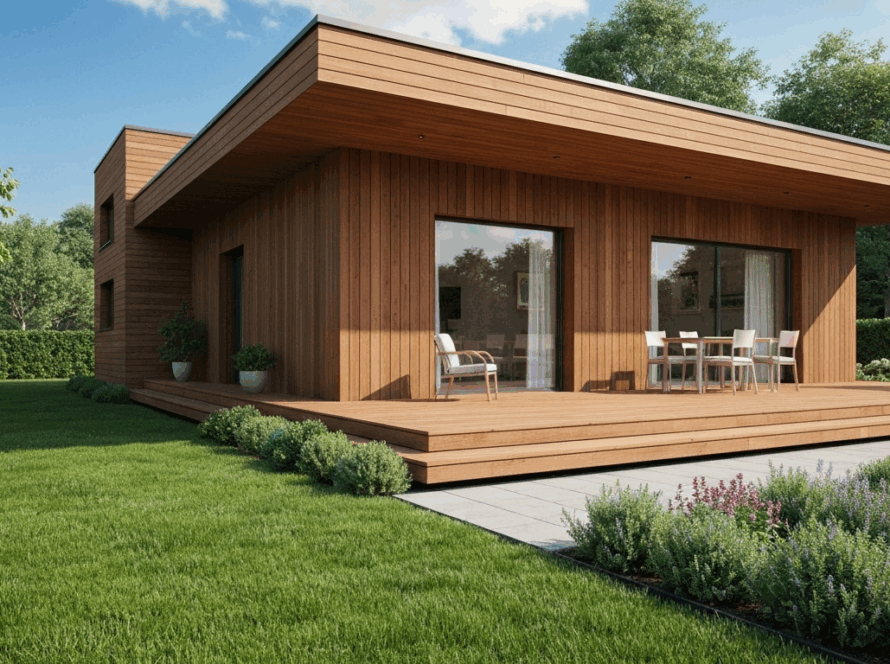
Key Highlights
- Thermowood cladding boards offer exceptional durability, with a lifespan of over 25 years against rot.
- The thermal modification process provides an environmentally friendly alternative to chemically treated timber.
- This cladding boasts a stunning aesthetic appeal, adding the natural beauty of real wood to any building.
- Thermowood has superior stability, meaning it resists warping and twisting in outdoor use.
- You benefit from simple installation options, which can help save time and reduce waste.
Introduction
Are you trying to find a cladding that looks good and works well? Thermowood cladding boards can be the answer. They are made from 100% real wood. This material gives you the honest look of wood but will last a long time. It is a durable and environmentally friendly alternative. Thermowood is a good choice for people who want strong and lovely building exteriors that will last many years.
Understanding Thermowood Cladding Solutions — Thermowood Cladding
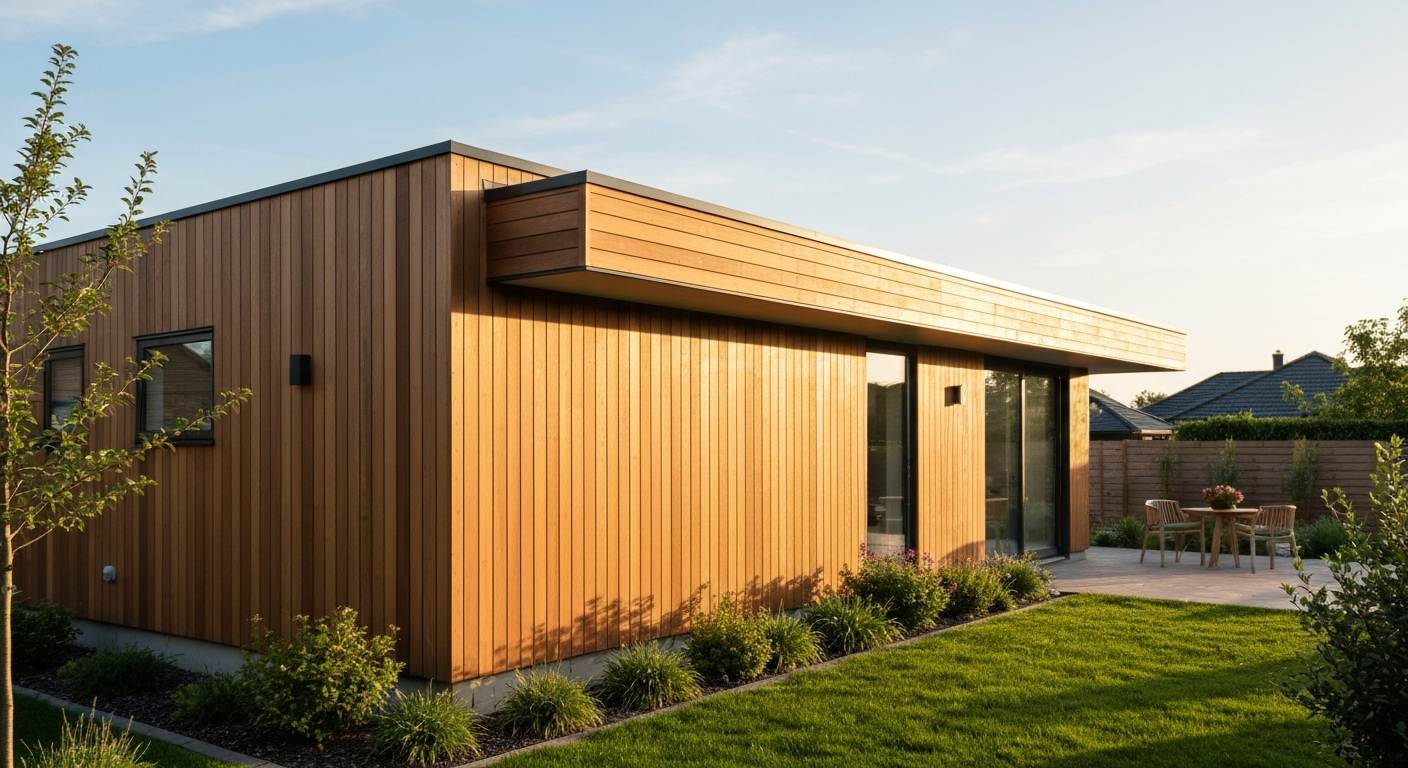
Thermowood cladding boards are produced through a specialised thermal modification process, where high heat and steam naturally transform the wood structure. This treatment strengthens the timber, enhances its dimensional stability, and gives thermowood cladding exceptional performance for exterior applications.
This natural heat-treatment technology allows the wood to resist decay and remain durable outdoors for many years, outperforming traditional untreated timber. Below, we explain how the thermal modification process works and compare thermowood to standard timber options used in modern projects. Below, we will look at how the thermal modification process works. We will also see how thermowood compares to other types of timber.
The Science Behind Thermal Modification — Thermowood Timber Cladding
The remarkable durability of thermowood timber cladding comes from its unique thermal modification method. During this process, wood is heated to over 160°C under controlled steam conditions.
Such high temperatures remove moisture and natural extractives like resins — the very components fungi and insects rely on. With these elements reduced, the material becomes extremely resistant to rot and biological activity.
As a result, the wood gains excellent weather performance and longevity, without the need for chemicals — a major advantage for eco-conscious building designs that value clean, natural materials.
Thermowood vs Traditional Timber Cladding — Thermowood Siding
When comparing thermowood siding to conventional timber cladding, the key difference is stability. Thermal modification dramatically reduces water absorption, meaning thermowood stays straight, stable, and resistant to swelling or warping — even in changing climates.
Traditional timber often expands, shrinks, and twists unless chemically treated. Thermowood, however, achieves high durability classes naturally, making it ideal for long-term exterior cladding with minimal maintenance.
|
Feature |
Thermowood Cladding |
Traditional Timber Cladding |
|---|---|---|
|
Durability |
Class 1 or 2 (15-25+ years rot resistance) |
Varies, but generally lower without chemical treatment |
|
Moisture Resistance |
High; reduced absorption prevents warping |
Lower; absorbs moisture, leading to movement |
|
Stability |
Superior dimensional stability |
Prone to twisting, cupping, and shrinkage |
|
Sustainability |
Chemical-free, eco-friendly process |
Often requires chemical preservatives for longevity |
Exploring Key Types of Thermowood — Thermo Ash Cladding & Thermo Pine Wood Cladding
Thermowood comes mainly in two premium forms — thermo ash cladding and thermo pine wood cladding (thermopine cladding). Both offer distinct visual and performance benefits, making them popular for architectural and residential projects.
- Thermo Ash — rich dark tones, smooth surface, premium modern design feel
- Thermopine / Thermo Pine — warm golden hues with natural knots, ideal for natural architecture
Both options provide significant upgrades in stability, lifespan, and aesthetic character compared to standard wood.
Benefits of Thermo Ash Cladding for Modern Architecture — Thermo Ash Wood Cladding
Thermo ash wood cladding is a premium choice for contemporary architecture. It offers deep colouring, a smooth refined grain, and a luxurious appearance that elevates both commercial facades and modern homes.
Its thermal modification achieves Dimensional Stability Class 1 and Durability Class 1, meaning thermo ash cladding remains exceptionally stable outdoors, resists rot, and maintains its form for decades — all without synthetic chemicals.
Key advantages:
- Long lifespan (25+ years)
- Minimal movement and warping
- Eco-friendly natural hardwood alternative
Advantages of Thermopine Cladding for Versatile Applications — Thermopine Cladding
Thermopine cladding (also known as thermo pine wood cladding) is a standout option for those seeking a balance of style, strength, and affordability. Made from Nordic pine and thermally modified, it delivers warm golden tones with natural knots that enhance architectural character for both private homes and commercial buildings.
Thermopine is known for its reliable exterior performance. When installed correctly with proper ventilation and substructure, it offers long-lasting durability and refined aesthetics suitable for a wide range of design concepts.
Key advantages of thermopine cladding:
- Durability Class 2 — reliable protection against decay for over 15 years
- Stable performance outdoors — less warping and shrinking thanks to heat treatment
- Eco-friendly natural wood — no chemical preservatives needed
- Works beautifully in modern, rustic, and Scandinavian-style designs
Performance and Sustainability of Thermowood Siding — Thermowood Channel Cladding
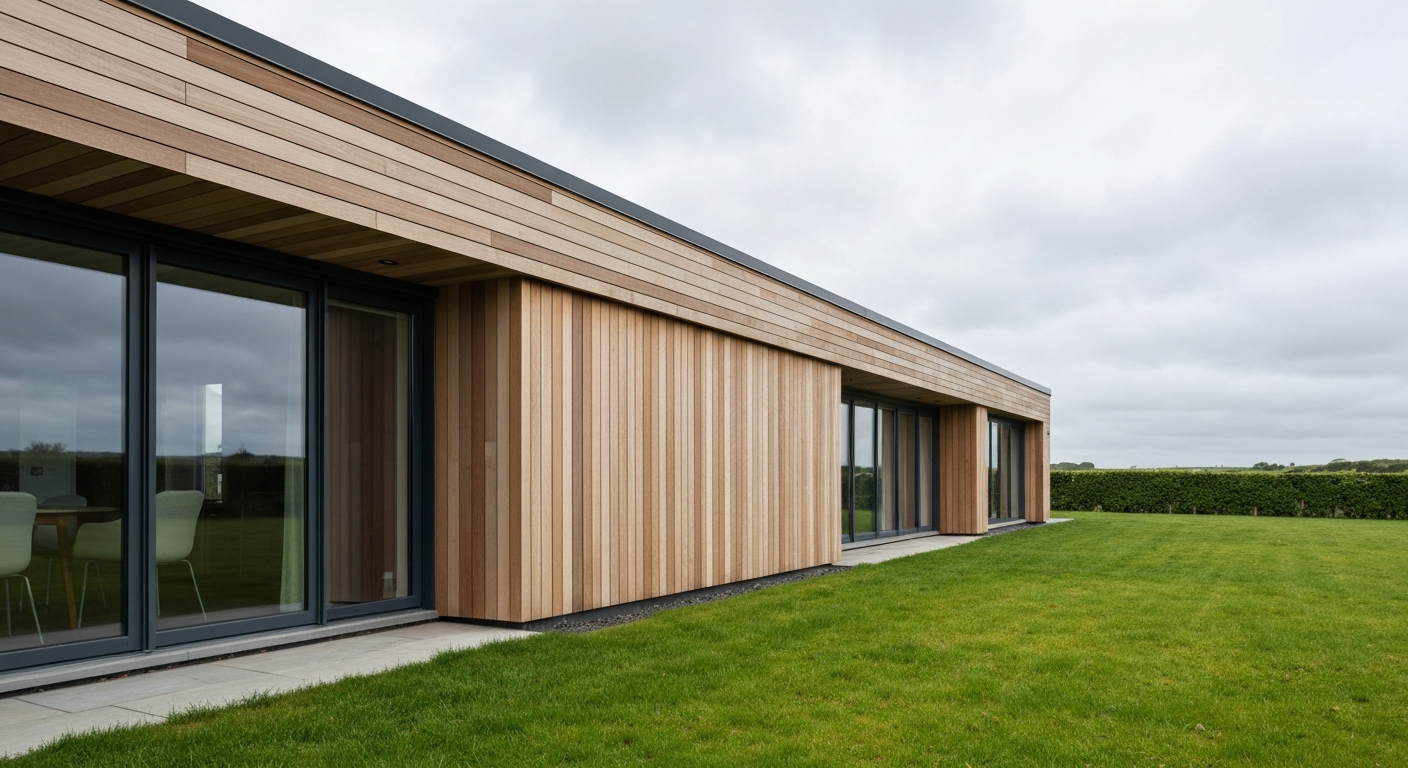
Thermowood siding performs exceptionally well in demanding weather environments and remains an eco-friendly building material. With high resistance to moisture and biological decay, it provides a long-lasting facade solution without synthetic chemicals.
Heat and steam are the only elements used in the thermal modification process, making thermowood one of the most sustainable cladding choices on the market. This natural durability means you can achieve strong weather resistance while maintaining a low environmental footprint.
Weather Resistance and Longevity in Irish Climate — Thermowood Wood Cladding Performance
Ireland experiences high humidity, frequent rain, and changing temperatures — conditions that challenge most timber. Thermowood performs exceptionally well thanks to reduced moisture uptake. This prevents swelling, shrinking, or bending, keeping faсades stable and visually clean.
Compared to untreated timber, thermowood maintains its structure far longer and stays resistant to fungal decay and rot. For coastal regions, humid environments, and shaded areas, thermo wood provides a reliable, long-term solution.
Eco-Friendly Credentials Compared to Other Materials — Thermowood Cladding Profiles
When sustainability matters, thermowood stands above many cladding alternatives. Unlike pressure-treated timber, thermowood does not rely on chemicals to achieve its strength. Instead, thermal modification naturally enhances resistance and stability.
Sustainable advantages:
- Only heat + steam — no toxins, preservatives, or harsh substances
- Timber sourced from responsibly managed European forests
- Natural end-of-life disposal — no chemical waste
- Available in multiple thermowood cladding profiles suitable for eco-focused projects
Thermowood is a natural, recyclable cladding that supports environmentally conscious building standards.
Design and Installation Insights — Thermowood Cladding Details
Thermowood isn’t just strong — it also offers architectural flexibility. With a wide range of thermo wood cladding details, profiles, and finishes, it suits both sharp modern lines and warm classic builds.
Boards can be installed horizontally, vertically, or diagonally, enabling creative façade patterns. For best results, a ventilated batten system is recommended to ensure airflow and long-term structure stability.
Profiles, Styles & Customisation Options — Thermowood Shiplap Cladding
Thermowood is available in many finishes — from smooth to brushed and rough textures — allowing designers to express any style vision, from clean contemporary to rustic.
One of the most popular systems is thermo wood shiplap cladding, which provides sleek seamless lines and effective water shedding, ideal for modern architecture and weather-exposed faсades.
Customisation options include:
- Brushed, smooth, or rough texture finishes
- Pre-oiled or unfinished boards
- A wide variety of boards and joining systems
- Hidden-fix profiles for seamless appearance
Whatever style you seek, thermowood can be customised to match your project vision.
Essential Tips for Fitting Thermo Pine Wood Cladding — Thermo Wood Cladding Installationс
Proper installation is key to unlocking the full benefits of thermo wood cladding. When fitted correctly, thermowood offers decades of stable performance with minimal maintenance needs. Start with a ventilated substructure — this allows air to circulate behind the boards, preventing trapped moisture and ensuring long-term durability for exterior facades.
Installation best practices include:
- Use end-matching systems
Many thermowood products are designed with end-matching joints, reducing waste and speeding up installation. - Ensure ventilation behind boards
A consistent airflow gap behind the cladding allows moisture to escape, preserving both the cladding and the building’s envelope. - Follow manufacturer recommendations
Thermowood suppliers provide guidance on fixing methods, screw types, and spacing. Following these guidelines helps ensure structural and visual longevity.
With these steps, thermo pine wood cladding and other thermo wood products deliver a clean finish and impressive lifespan in exterior environments.
Maintenance Needs and Best Practices — Thermowood Cladding Boards
One of the major advantages of thermowood cladding boards is their naturally low maintenance. Thanks to the thermal modification process, thermowood stays strong without frequent treatment.
While not required for durability, simple finishing steps can enhance appearance and help retain colour for longer. UV-protective oils slow natural greying and help maintain a fresh timber tone, while periodic surface cleaning keeps the facade looking refined.
- UV-Protective Oils: Help keep the wood’s first colour and stop it from turning grey in patches.
- Paints and Coatings: Some thermowood, like pine and spruce, can be painted. This lets you pick the look you want and adds another layer of protection.
- Regular Cleaning: If you keep the wood clean, you stop dirt from piling up, and the finish you use works better for longer.
Even without extra treatment, thermowood stays resistant to decay and keeps its structure for many years.
Why Choose Eco Hearth Thermowood for Your Project
When you pick Eco Hearth, you get a team that cares about both quality and being good to the planet. We give you top thermowood cladding boards, the number one maker of real wood that is thermally modified.
We work hard to bring you in Ireland the best timber that is strong and lasting. These products give you real value and will keep working well for a long time. See why so many people say our cladding and real wood is a smart choice, and learn how you can get thermowood for your next build.
Expert Recommendations and Real-Life Case Studies
Experts choose our thermowood because it stays strong for many years and delivers a premium, modern appearance. Eco Hearth supplies high-performance thermowood solutions across Ireland, trusted for their stability and durability.
Our thermowood works equally well for homes and large commercial projects. Every installation proves how this material exceeds expectations in both aesthetics and performance. With simple installation and long-term resistance to rot and weather, it is a smart choice for a wide range of exterior designs.
Architects, builders, and homeowners consistently report excellent results and long-lasting value. When you choose Eco Hearth, you don’t just select cladding — you invest in lasting strength, visual quality, and reliable performance year after year.
Conclusion
To sum up, Thermo wood cladding is a great option because it looks good and is better for the environment. When you know more about how thermal modification works, you can see why Thermowood is stronger and lasts longer than regular timber. You can pick from different choices like Thermo Ash or Thermo Pine to fit your project. These materials have weather resistance and are easy to take care of. If you are thinking about which cladding to go with, Eco Hearth has advice and strong Thermowood that is made just for you. If you want more information or want tips for your own project, reach out to our team today!
Frequently Asked Questions
Can thermowood cladding be used for both homes and commercial buildings?
Yes, for sure. You can use thermo wood cladding boards in many ways. They have good durability and look good too. That’s why they work well for both homes and businesses. These boards are used in many places where you want the cladding to last a long time.
What factors influence the lifespan of thermowood siding?
High-temperature modification makes the material tough and able to stand up against bad weather. This gives it good durability. If you put it in the right way and sometimes take care of it, like using finishes to protect it from the sun, you can make it last even longer. Doing this will also keep it looking good over time.
Is thermowood siding more sustainable than other timber options?
Yes, it is known as a top sustainable choice. The thermal modification process does not use chemicals. This makes it a more environmentally friendly alternative to pressure-treated wood. The real wood comes from forests in Europe that are managed in a sustainable way. This helps improve its good sustainability record.