Key Highlights
- A cold plunge is a form of cold therapy involving cold water immersion to gain significant health benefits.
- Embracing cold exposure can boost your immune system, improve recovery, and enhance your circulation.
- Regular cold plunges offer powerful mental health benefits, including stress reduction and improved mental clarity.
- Experts recommend a weekly total of 11 minutes of cold water immersion for optimal metabolic results.
- Preparing properly and using the right equipment, like a dedicated cold plunge tub, makes the experience safer and more effective.
Introduction
Have you noticed all the talk about the cold plunge on social media? Many people are trying cold therapy now, like professional athletes and those who care about wellness. More people want to find out what it can do. In this guide, you will get the details you need, no matter if you are new to this or if you have tried it before. We will talk about how changing the water temperature can help you. You will see how it may help with your recovery, mental health, and give you a boost in your well-being.
Understanding Cold Water Therapy for Beginners
Cold plunge therapy works by using cold water to set off your body’s natural reaction to cold exposure. When you go into cold water, your body switches to a protective state. This causes many good changes to your body. That is the reason cold immersion with ice baths can be so helpful.
It helps to know how your body temperature goes down in the cold to really see the benefits. Let’s go over what a cold plunge is, where it comes from, and how it is not the same as regular ice baths.
What is a cold plunge?
A cold plunge, also called cold water immersion, is when you put your body in cold water for a set time. This is not just a fast dip. It is a cold exposure that you do on purpose to wake up your body and mind. Some people do it in a natural body of water. Others use a special tub for it.
The main thing is the temperature of the water. The water is cold, but still safe. This helps to push your body, making it work harder.
Taking a cold plunge with your whole body is different than just having a cold shower. In full cold water immersion, your whole body gets the good effects that come from this.
Brief history and origins of cold plunge practices
The use of cold therapy goes back a long way. One of the oldest records is the Edwin Smith Papyrus. This is an Egyptian medical text that talks about using cold for injuries and swelling. People in ancient Greece, like Hippocrates, used snow and ice to help with many health problems.
These old ways were the start of how we use cold immersion now. People in Norway and Sweden have used ice baths for many years for health and wellness.
Doctors over time looked at how cold exposure changes body temperature and can help with illness. That work led to the cold therapy methods that we have today.
Health Benefits of Cold Plunge for Beginners and Experts
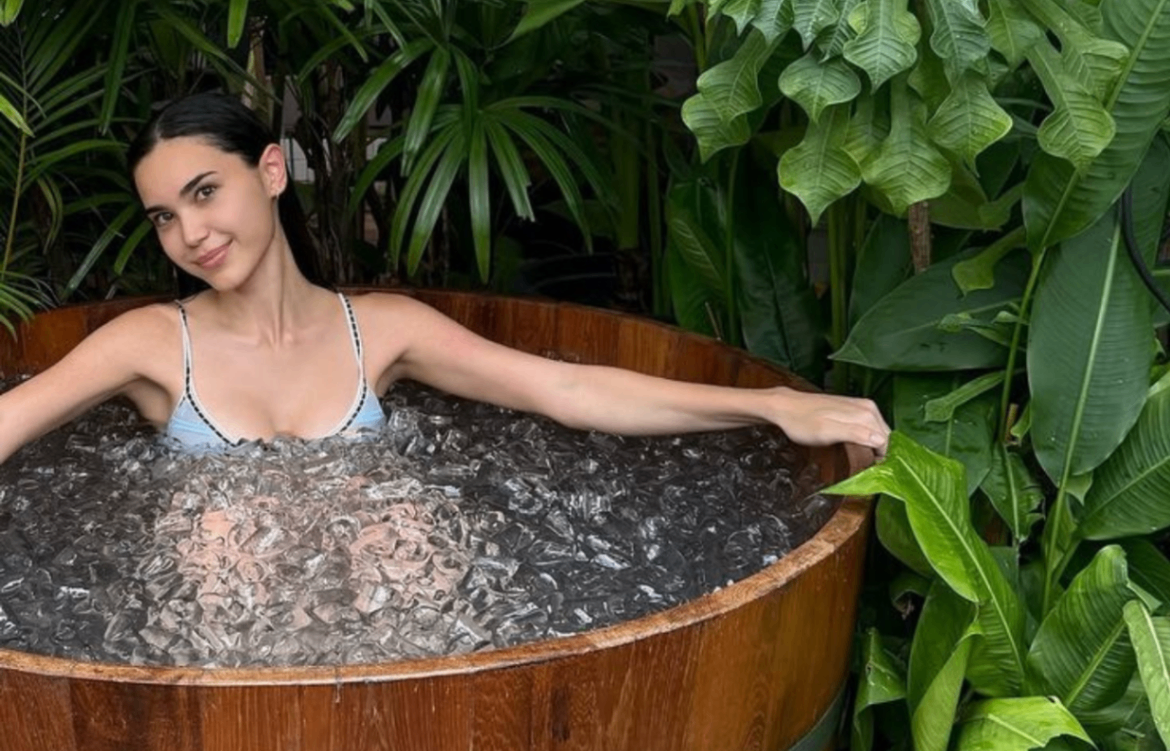
There are many health benefits of cold water exposure. These are well known and supported by research. When you have regular cold water dips, it can boost your immune system. It can also help you with muscle recovery. The benefits of cold water are good for your body and can help change your overall health for the better. Your body’s action when you get into the cold also helps blood flow and can help speed up your metabolism.
It is not just about the body. There are big benefits for your mind too. In the next parts, we will look at the science of these cold water health benefits. You will also see what you can get by making cold plunges a part of your routine.
Scientific evidence and expert recommendations
There is more and more proof now that cold exposure can be good for health. Many researchers and health experts now say it is useful to try. Work shared on the Huberman Lab podcast also gives clear steps for people who want the best from this.
One great tip is from Dr. Susanna Soberg. Her research shows that doing just 11 minutes of deliberate cold exposure each week, split into a few short times, is enough to turn on brown fat in the body and get good metabolic health benefits.
This study gives a simple goal for people who want better health. It means you do not have to stay cold for a long time to help your body, boost your cognitive function, and look after your well-being.
Physical benefits: recovery, circulation, and metabolism
Cold water immersion can really change the way your body recovers after exercise. When you get into cold water, your blood vessels get smaller. This helps lower swelling and muscle soreness after a hard workout. When you come out, the blood vessels open up again and bring new, fresh blood full of oxygen. This helps your body heal.
Better blood flow is not just good for your muscles. It also helps your immune system work well and can make your metabolism faster. Even doing cold plunge 11 minutes a week can help you notice a lift in your energy. You may also recover faster.
Cold plunge water treatment improves circulation, enhances nutrient delivery, and supports the removal of metabolic waste, promoting better long-term health.
Mental benefits: stress reduction and cold plunge meditation
The mental health benefits of cold plunging are clear. When you first get into cold water, the shock helps your nervous system learn to deal with stress better. You have to push yourself to stay in and this makes you stronger in your mind. It can help you be tougher in your day-to-day life. You will find more mental clarity as well.
Cold plunging is also a great way to meditate. During a cold plunge meditation, you must pay attention to your breath. You need to stay in the moment. This helps your mind be calm and quiet. It is a good choice if you are new to meditation.
When you use cold water for a plunge, there is a rush of endorphins. These chemicals can make your mood better. They also help with anxiety and low mood. So, cold plunging is a good tool for mental health and allows you to feel, act, and think in a better way.
Preparing for Your First Cold Plunge
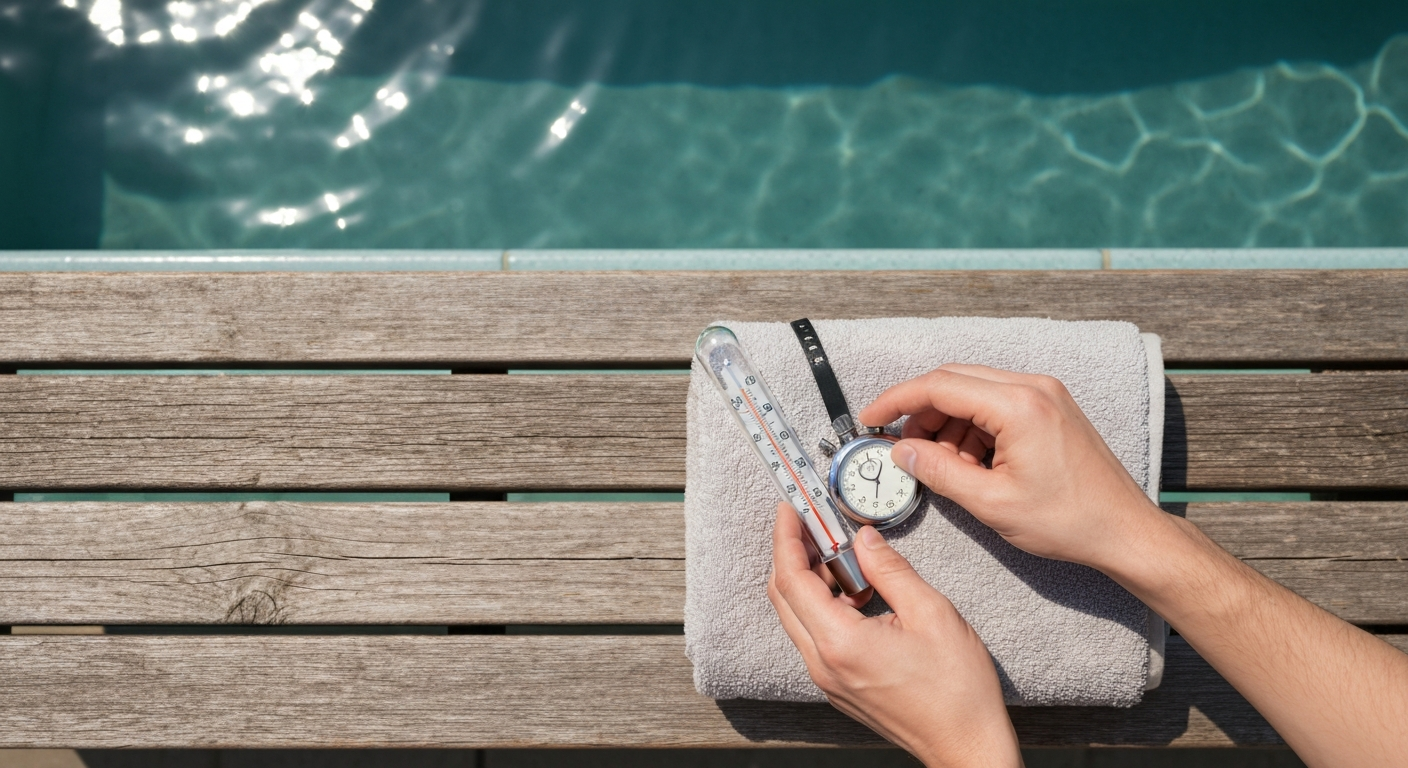
Are you ready to take your first step into cold water? It is important to prepare the right way for cold water immersion. This helps you stay safe and have a good experience with cold exposure. You need to know what will happen, get the right gear, and pick a water temperature that works for your start.
Taking some time to get ready can help a lot. It can turn cold exposure from a hard shock into a rewarding time. Here is what beginners need to know before they try cold water for the first time.
What beginners should know before starting
Before you start with cold therapy or try a cold plunge, it is important to think about your safety first. Your body can react strongly to the cold, especially if this is something new for you. The sudden change in body temperature can change your heart rate and affect your nervous system. So, you need to get ready and know what to expect.
If you have any health conditions already, like heart problems or high blood pressure, you should talk to your doctor before you try a cold plunge. Your health comes first, and it is always good to get advice from your healthcare provider.
Here are a few important things to remember for beginners:
- Always ask a healthcare provider for advice if you have medical conditions like high blood pressure or heart disease.
- Start cold therapy slowly. Begin with warmer water, about 15°C, and keep the time short, around 30 seconds.
- Pay attention to what your body is telling you. Do not force yourself to carry on if there is much pain, if you feel dizzy, or if you start shivering too much.
- Do not do a cold plunge on your own at first. It is best to have someone with you in case you need help.
Essential equipment and resources for cold plunging
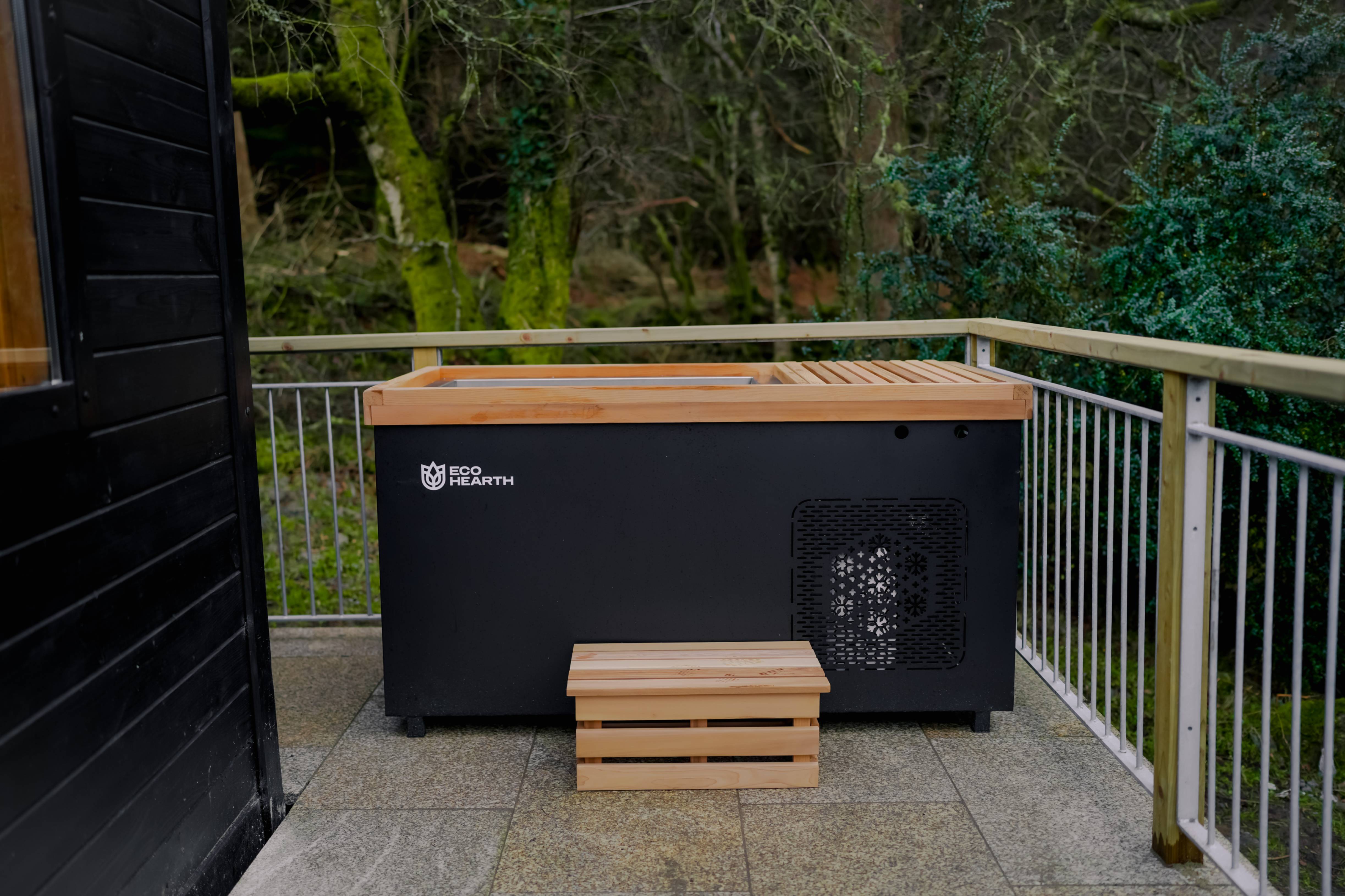
Having the right equipment can help you get more out of your cold plunge. It can also make the routine feel better. While you can use a body of water or start with cold showers, using a setup made for cold plunges will give you the best results. If you want to do it yourself, you will need a tub, bags of ice, and a thermometer.
But doing it this way every day can be hard. If you get an ice bath from Eco Hearth, the whole process changes. You do not have to buy ice. The tub will keep the water at the temperature you want, and the filter will help keep the water clean. You just have to plug it in and it is ready to go. This makes it much easier to keep up with your cold plunge habit.
For every cold plunge, you need these items:
- A cold plunge tub or container
- A timer to keep track of time
- A towel and warm clothes to use after you get out
- A mat that will not slip for when you get out
Choosing the ideal temperature and duration (including 3 minute cold plunge and 11 minutes per week recommendations)
Finding the best water temperature and right amount of time can be different for each person. But there are some expert tips you can follow. You want to pick a water temperature that feels very cold but still safe for your body temperature. Cold water for a short time can work as well as warm water for longer.
The tip most people use is to aim for 11 minutes a week altogether. You do not need to do this all at once. You can break it up into a few shorter sessions, like three or four cold plunges for about 3 minutes each. This is often much easier and helps many people stick with it. It is better than trying to do all the time at once.
Here’s how you can start:
- Ideal Temperature: If you are new to this, start with water at about 15°C (60°F). You can go lower slowly as you get used to it and your body temperature can handle more.
- Starting Duration: Stay in the cold water for about 30 seconds to 2 minutes in each session. That is a good way for beginners to start.
- Weekly Goal: Try to reach a total of 11 minutes per week, split into 2-4 sessions.
- Listen to Your Body: You want to wake up your body’s core body temperature, not put it in harm. If something does not feel good, get out. Keep an eye on how you feel so your core body temperature does not get too low.
Step-by-Step Guide: How to Take Your First Cold Plunge
Taking your first cold plunge might seem hard at first, but having a clear plan can help you do it safely and feel good about it. This easy guide will show you every step. You will learn the way to get your space ready and what to do when your body feels the cold.
It is good to learn some simple breathing techniques before you start. They can help you stay calm in your mind. These things also help you control your body temperature when you are in cold exposure. Let’s go step by step together.
Step 1: Setting up your cold plunge at home or outdoors
Your home setup is key for a good cold plunge. If you want to use a body of water, check that it is safe and easy to get to. If you want to do it at home, you can use your bathtub by adding ice. For more ease, you can choose a cold plunge tub.
An Eco Hearth cold plunge tub makes the process simple. You only need to fill it, pick the temperature you want, and it’s ready for you. This is much easier than guessing with ice bags and helps you get to colder temperatures in a safe way.
Before getting in, be sure to have these things close by:
- Set the water to your chosen temperature.
- Have a timer set.
- Keep a towel and some warm clothes near you.
- Put a non-slip mat near the tub to step out safely.
Step 2: Safely entering the cold water
How you get into the water is important. A slow and careful entry is needed to help your body deal with the first cold shock. If you move too fast, your heart rate can go up quickly, and your blood vessels can get tight too fast.
Take a deep breath, then breathe out all the way as you step in slowly. This can help stop that gasp your body does when you feel cold exposure. You want to have your body under the water up to your neck, but if you need to, you can start with just your lower body in first.
Key tips for entering the water:
- Go in slowly to let your body get used to the cold.
- Keep your mind on your breath as you go under.
- Start the timer when you are in the water.
Step 3: Breathing techniques and managing discomfort
Once you get into the water, you may feel the urge to breathe very quickly. Your job is to slow this down. Take control by breathing in slowly and deeply. Breathe out even slower. This tells your nervous system that it is safe. This is one of the top breathing techniques to help you with cold water exposure.
Focus on taking a deep breath in, then breathe out slow and long. This helps your mind and body to feel calm. It also lets you stay in cold water for as long as you need.
If you start to feel bad or things get hard, try these:
- Control your breathing: Take slow, deep breaths. This helps your nervous system feel safe and can reduce that urge to panic.
- Stay still: If you move, your body loses some of the warmth it is holding. Being still helps you feel warmer in cold water.
- Use a mantra: Say a short phrase in your mind like “I am calm” or “I am strong” to help you stay steady.
These methods help you work with your body and mind in cold water.
Step 4: Tips for cold plunge in winter and cold plunge in summer
Your cold plunge can feel different as the seasons change. In winter, the air is much colder. So, you lose heat from your body faster, both when you are in the cold water and when you get out. You may want to spend less time in the water to stop your body temperature from dropping too far.
In summer, jumping from hot air into cold water can wake you up and make you feel good. You will also find it easier and faster to warm up after you finish. If you change your cold water routine with the seasons, you will keep your cold exposure safe and useful across the year.
Here are some tips for different times of year:
- Winter: Make your time in the water shorter.
- Winter: Have very warm clothes and a hot drink nearby for after your cold water immersion.
- Winter: Watch out for ice around the place where you get in and out.
- Summer: Use the change from warm air to cold water for more energy.
- Summer: Drink water and be well-hydrated before your cold plunge on really hot days.
After the Plunge: Recovery and Next Steps
What you do after your cold therapy session is very important. The things you do once you finish can matter just as much as the plunge. This time after your session is when you get many of the health benefits. These include better blood flow and muscle recovery. Warming up the right way helps you stay safe and feel comfortable.
When you know the basics, you can watch your progress in a better way. Think about slowly building up how long you stay in and how often you do cold therapy. Now, let’s look at how you can recover well and take your practice further.
Warming up safely and naturally post-cold plunge
When you come out of cold water, you need to bring your body temperature back to normal in a safe way. Do not get into a hot shower right away, because this quick change can be a shock for your body. It is better to let your body get warm by itself.
This way of warming up makes your body work to create its own heat. This can also help your metabolism. Moving gently helps the blood flow to your hands and feet, and it is good for muscle recovery too. It also gives your nervous system the time to adjust.
Try these steps for a safe warm-up:
- Pat yourself dry all over with a towel.
- Put on dry and warm clothes. Remember to wear socks and a hat.
- Do light activities such as walking, stretching, or jumping jacks.
- You can have a warm drink that is not caffeinated.
This will help you look after your body after cold water and keep you safe.
Tracking progress and increasing tolerance
Sticking with cold exposure is the key if you want to get the health benefits for the long term. When you keep up your practice, you will see that you get used to the cold. You become able to stay in cold water for longer as time goes on. This is like a simple form of endurance training that works both your mind and your body.
To see how you are getting on, it helps to write down how long you stay in and what the water temperature is each time. Try to split the 11 minutes you need each week into two to four times. For example, you can do four times in the water, each one almost three minutes. This helps you get the right stimulation, but it does not push your system too hard.
As you get better with cold exposure, you can:
- Cool down the water a bit more, dropping the water temperature by one or two degrees.
- Stay in the water for longer durations, but do this slowly.
- Push yourself lightly, but always pay attention to what your body tells you and do not go too far.
Conclusion
To sum up, starting your cold plunge routine can truly transform the way your body and mind feel. By learning the basics of cold plunge therapy, preparing properly, and staying consistent, you can improve recovery, boost circulation, reduce stress, and build long-term resilience. The key is regular practice and gradual adaptation to the cold, whether you’re just beginning or already experienced. If you’re ready to make cold therapy a lasting part of your lifestyle, investing in a high-quality, comfortable ice bath makes the experience easier and more effective — explore our premium ice baths and get in touch with us to find the perfect model for your home and wellness routine.
Frequently Asked Questions
What are the risks and safety tips for cold plunging?
The main risks of cold exposure are cold shock, hypothermia, and stress on the heart. To be safe, you should talk to a healthcare provider if you have health conditions like high blood pressure. It is good to start with short times in the cold. You should also not go into cold water alone when you are new to this.
How should I split my weekly cold plunge time for best results?
To get the most health benefits, you should break your 11 minutes of cold exposure each week into 2 to 4 sessions. It is good to start with four sessions that each last about 3 minutes. Doing cold therapy this way makes it easier to stick with. It also helps you get the long-term benefits of cold exposure.
Is cold plunge meditation suitable for beginners?
Yes, cold plunge meditation is good for beginners. It makes you focus on your breath to help calm your nervous system. This is important for both meditation and cold exposure. It is a strong way to help you build mental clarity and take care of your mental health.