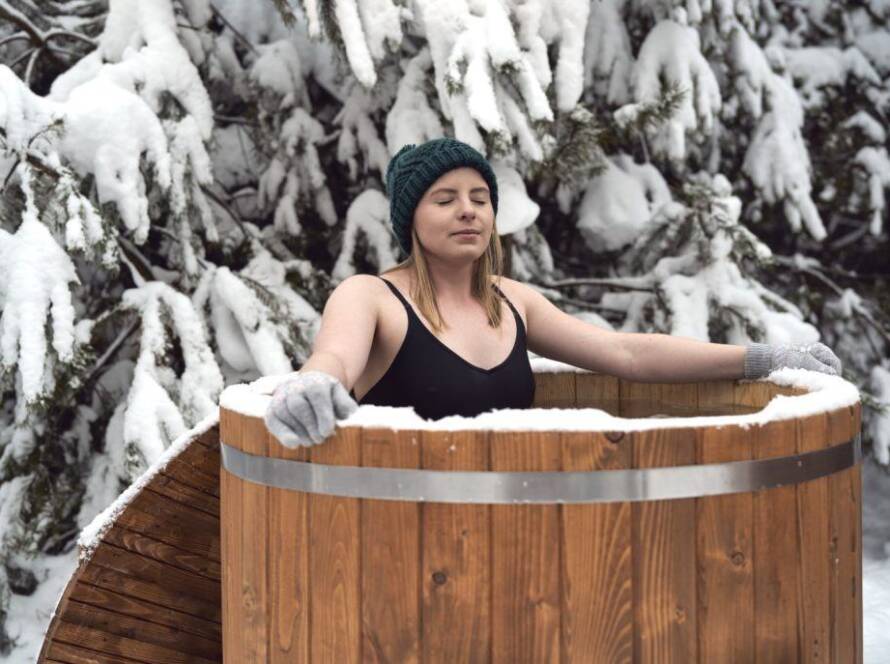
Key Highlights
- A morning cold plunge provides a powerful and natural energy boost to start your day.
- Cold water immersion sharpens mental focus and enhances clarity.
- Regular cold exposure supports your immune system and speeds up muscle recovery.
- This morning routine offers numerous health benefits, from improved circulation to better mood.
- Starting a cold plunge routine is simple with the right guidance and equipment.
- Cold water therapy leverages the body’s natural responses for overall wellbeing.
Introduction
Think about starting your day full of energy that stays with you for hours. You will not need any coffee for this. This is what a morning cold plunge can do for you. Cold therapy is not just a new thing people do for fun. It is a simple way to help your wellbeing. When you try cold water or cold water immersion, you can feel fresh and ready to take on your day. You will have more life in you and a better mood for the rest of your day.
Understanding Cold Plunge Morning Rituals
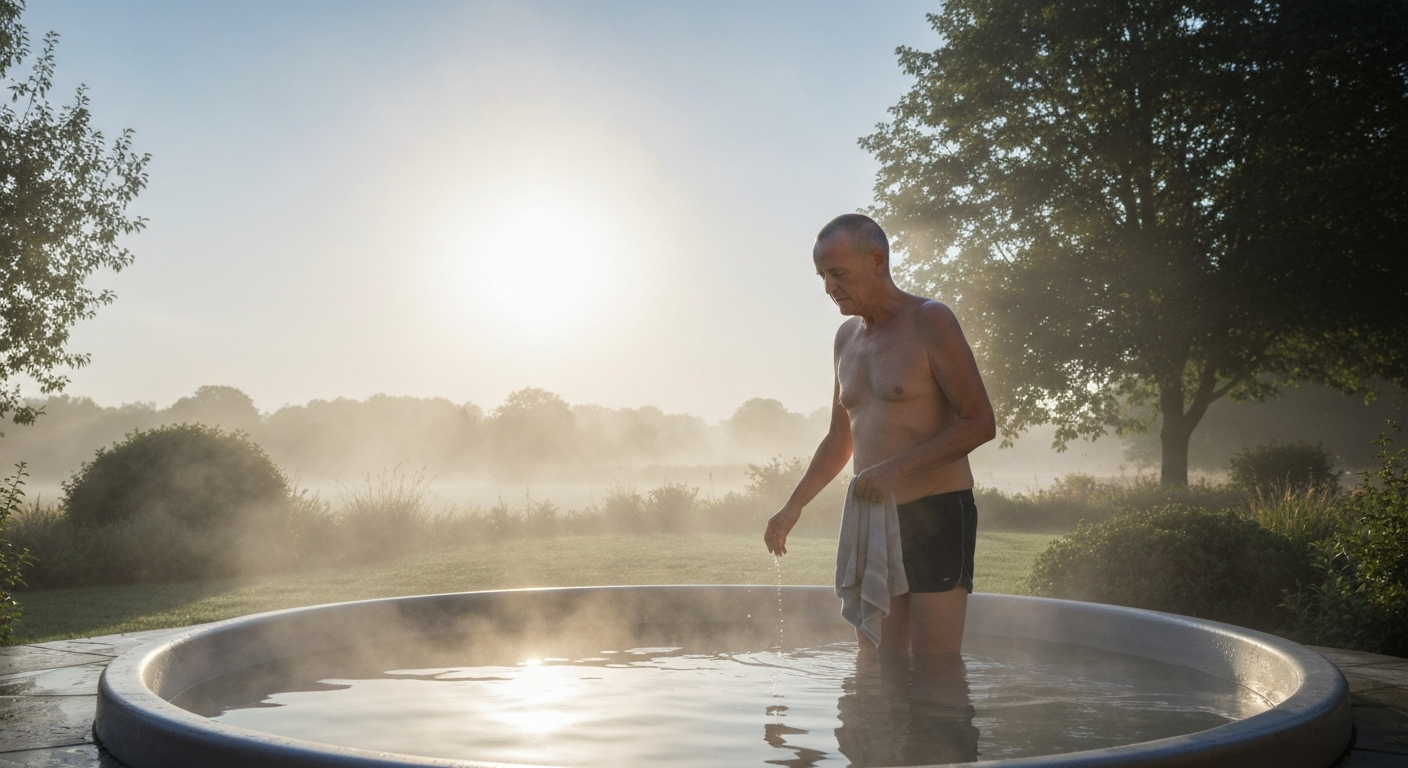
Adding cold water or cold plunging to your morning routine can help you feel wide awake and ready to go. You give your mind and body a real buzz with just a short time in cold water. This cold water exposure kicks off a lot of good things in your body.
When you make your body temperature drop for a short while, you can get many health benefits. Let’s talk about what cold plunging is, how it works, and why doing it in the morning is such a good idea.
What Is a Cold Plunge and How Does It Work?
A cold plunge, which people also call cold water immersion, is a kind of cold water therapy. In this, you get into cold water, usually at a temperature between 3°C and 15°C, for a short time. You can do this in a cold plunge tub, an ice bath, or even in a natural spot with cold water.
This practice aims to use your body’s natural response to cold. When you go in, you feel the initial shock, but then you start to get many benefits as your system finds ways to deal with the cold.
If you are new to cold water therapy, it’s best to go slow at first. Begin by staying in the water for shorter times and use water that is not as cold. As you get used to cold water immersion and the feeling it gives, you can challenge yourself to go longer or use colder water in your ice bath or cold plunge tub.
The Science Behind Ice Water Plunge Therapy
Scientific evidence supports the benefits of plunging into icy water. When you immerse yourself in cold water, your body experiences a “cold shock” response. This isn’t as scary as it sounds; it’s a series of beneficial physiological changes.
Your blood vessels constrict, redirecting blood flow towards your core to protect vital organs. This process enhances circulation. The cold exposure also triggers the release of norepinephrine, a hormone and neurotransmitter that increases alertness and focus. This provides a scientific basis for the energy boost felt after a cold plunge in morning.
Body’s Reaction to Cold | Resulting Benefit |
|---|---|
Cold Shock | Triggers the release of adrenaline for alertness. |
Blood Vessel Constriction | Improves overall blood flow and circulation. |
Norepinephrine Release | Enhances mental focus and provides natural energy. |
Why Mornings Are Ideal for Cold Plunges
While cold plunging can be good at any time, the best time is often in the morning. When you start your day with cold plunging, you get a strong and natural energy boost. This can take the place of your morning coffee and you will not have that crash later.
The cold makes your body give out hormones like adrenaline and norepinephrine. This helps your mind feel sharp and clear. With this mental clarity, you can do your tasks in a better way. It helps you make the day more good and full.
Here are the main reasons why people say morning is the best time for cold plunging:
- A strong and natural energy boost that lasts.
- Better focus and mental clarity.
- A great way to feel like you have done something good right at the start of the day.
Health and Wellbeing Benefits of a Cold Plunge in the Morning
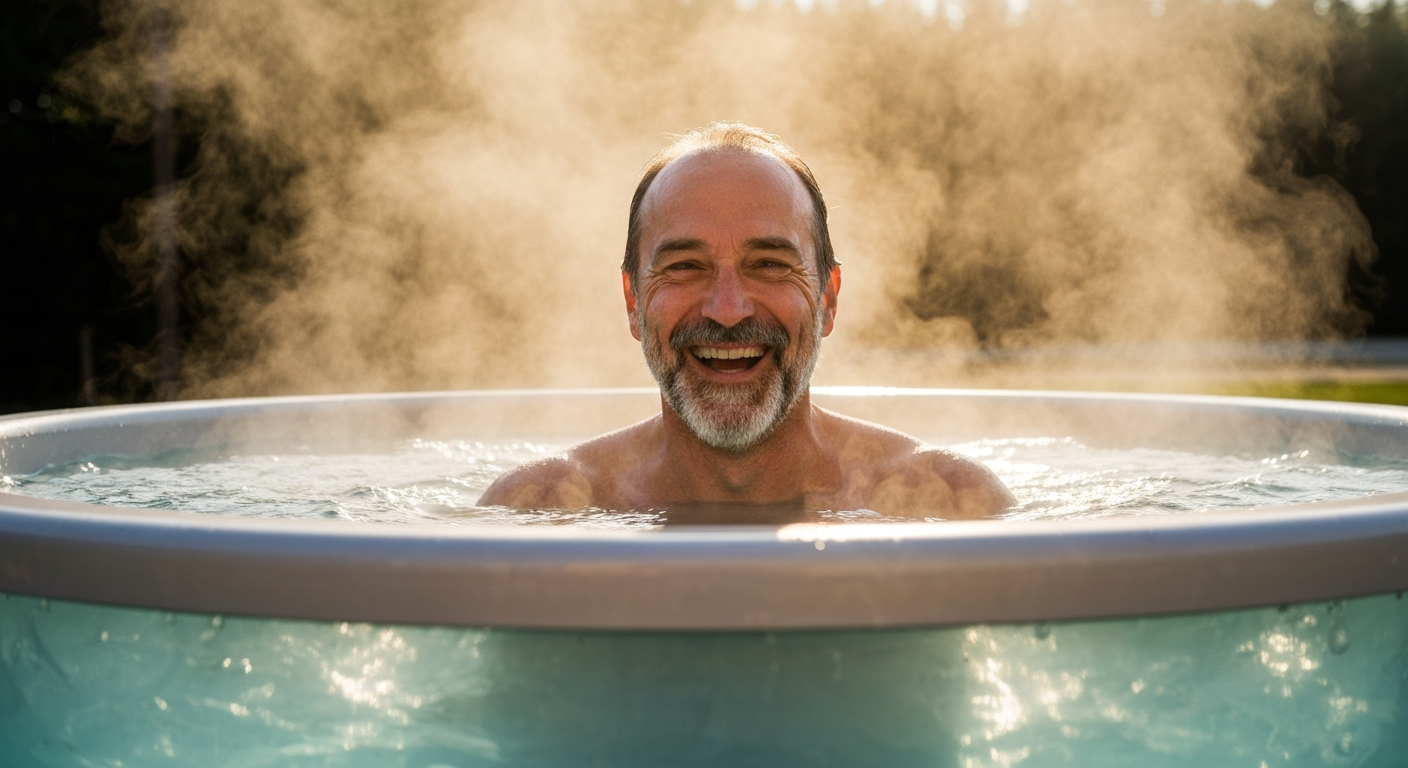
Making cold exposure a part of your morning can give you many health benefits. It does more than just wake you up. This is a powerful tool that can help you feel better in both your body and mind.
Cold exposure is great for getting more energy right away, helps with muscle recovery, and can make your immune system stronger. A morning cold plunge is good for your health. Here are some of the top health benefits you will get.
Boosting Energy Levels Naturally
Forget about hitting the snooze button. Having a cold water immersion session in the morning is one of the best ways to get a natural energy boost. The cold water gets to your nerve endings and makes your body release adrenaline fast.
This happens in your body as a hormone response. It makes your heart rate go up, and your blood pressure rises for a short time, so your whole body wakes up. This is different from what you get with caffeine. The energy boost here is clean and stays with you, making you feel full of life and ready for the day ahead.
The main effects are:
- An instant release of adrenaline, which gives you a strong wake-up feel.
- Better blood circulation, so you feel fresh and full of energy.
Enhancing Mental Alertness and Focus
Do you find it hard to think clearly in the morning? Cold water therapy may help improve mental clarity. The shock from cold water can wake up the body. It wakes up the vagus nerve, which helps control stress. This makes you feel calm but focused at the same time.
The body also gets a rush of endorphins, which are sometimes called “happy hormones.” These good hormones help lift your mood. At the same time, there is a release of norepinephrine. This sharpens your cognitive function, so you can focus and get more done as the day goes on.
These changes in the body give you the right mindset for work and solving problems. Starting your day with cold water therapy can be a good way to face a busy day.
Supporting Immune System and Recovery
Regular cold water exposure can help make the body stronger. It helps your body’s defences work better. Some studies also say that the body’s natural response to cold can give you more white blood cells. This can boost your immune system over time.
If you are someone who likes to move a lot, being in cold water in the morning may help with muscle recovery. The cold lowers swelling and inflammation. At the same time, the better blood flow brings more oxygen and nutrients to your muscles.
All this can make it a good way to ease sore muscles. It can also help the body fix itself faster, so you feel good and ready for your next workout.
Is a Cold Plunge Safe? Risks and Considerations
While cold therapy can be good for you, you need to be careful. The quick change in temperature may make your heart rate and blood pressure go up fast. This can be risky for some people.
If you have any medical conditions, especially with your heart, you should talk to a doctor before you try a cold plunge. By knowing the risks, you can enjoy cold therapy in a safe way.
Who Should Avoid a Cold Plunge Morning Routine?
Although cold plunges are usually safe for healthy individuals, they are not good for everyone. People with certain medical conditions need to avoid this or talk to their doctor first. The American Heart Association says people who have heart problems should be careful.
It is also not a good idea to do this if you are pregnant. If you have any of the conditions below, you should speak with your doctor:
- Heart disease or high blood pressure
- Diabetes, poor circulation, or Raynaud’s syndrome
Always think about your health and be safe first.
Precautions for Heart Health and Medical Conditions
The main worry with cold water is how it can affect your cardiovascular health. The first moment you feel cold shock, your body gets a quick rise in norepinephrine. This makes your heart rate and blood pressure go up fast.
If you already have heart disease or high blood pressure that is not under control, this stress can be risky. It may give you real trouble.
So, it’s very important for people with these medical conditions to talk to their doctor. A medical professional will help you know if cold plunging is right for you and will give advice to keep you safe.
Common Mistakes to Avoid with Morning Cold Plunges
To get the most out of your morning cold plunging routine and avoid any harm, you need to watch out for some common mistakes. The first cold shock can be very strong, so handling it the right way is important.
One of the top mistakes is pushing yourself too much at the start. This can happen if you use very cold water or stay in for too long. It is also very important to not be in the water alone.
Here are a few mistakes to avoid:
- Starting with very cold water or staying in for too long.
- Forgetting to control your breathing, as this can cause you to breathe too fast.
- Plunging alone without someone nearby to help if you need it.
Beginner’s Guide: How to Start a Cold Plunge Morning Routine
Ready to try the cold? Starting a morning routine with cold water is not as hard as you think. When you take the right steps and prepare well, you can make this cold water therapy part of your day, and do it safely.
It helps to have a space just for your routine. The right equipment, like a good cold plunge tub from Eco Hearth, will make things smooth and pleasant. Now, let’s look at how you can get started with your new morning routine.
Essential Equipment and Setup for Ice Water Plunge at Home
Making a convenient home setup is the best way to keep cold plunging as a steady habit. You can use a bathtub with ice, but it is hard to manage the water temperature in that.
A cold plunge tub is a better option. A cold plunge tub like Eco Hearth Ice baths let you control the water temperature and keep it steady. The insulation helps hold the heat out, so the water stays at the perfect level each time. This means you do not have to guess, and it will make your routine easy.
For your home setup, you will need:
- A cold plunge tub or ice bath you can trust.
- A timer to keep track of how long you are in the water.
Step-by-Step Guide to Your First Cold Plunge Morning
Your first cold plunge can seem a bit scary, but if you take it step by step, it is much easier to handle. The main thing is to stay calm and to pay attention to your body’s natural response. You do not need to see how long you can last.
Before you go in, give yourself a little time to get ready in your mind. Think about the good things you will get from doing this. When you step into the water, try to keep your breathing slow and steady. This will help you deal with the first cold shock.
Follow these easy steps for your first cold plunge:
- Set an amount of time and a water temperature that feels right for you.
- Go into the water slowly and watch your breathing.
Step 1: Choosing the Right Temperature and Duration
If you are new to this, it is best to begin slow with cold water and how long you stay in it. Try a water temperature between 10°C and 15°C, which is 50 to 60 degrees Fahrenheit. This is cold enough to give you benefits but not so cold that it feels too much.
Start with just 1 to 2 minutes of cold water exposure. That short time should let your body start to get used to it.
When you feel better with it, you can slowly make the water colder or stay in for longer. Research has said you only need around 11 minutes of cold water time each week to get most of the good things from it.
Step 2: Safely Entering and Exiting the Ice Water Plunge
How you get in and out of the ice bath is very important for a good experience. Do not jump in right away. Instead, put your body in the water slowly so you have time to get used to it.
The most important thing to do when you get in cold water is to control how you breathe. At first, the cold can make you want to gasp. If you focus on slow and deep breaths, it will help your nervous system feel better and help you deal with how cold it is.
For a safe and good cold water immersion:
- Breathe slow and steady when you go into the water. That way, you will not start breathing too fast.
- Always make sure there is someone with you when you try an ice bath, especially if you are new to cold water.
This is the best way to get the most from your ice bath and keep your cold water experience safe for your mind and body.
Conclusion
Adding cold plunges to your morning routine can help you feel better in many ways. You get more energy and better focus. Cold plunges are also good for your immune system and can help your body heal faster. This starts your day on a good note.
Be sure to start safely. Know the steps and understand any risks before you begin. If you want to know more about cold plunges and how to include them for better health, get in touch with us today.
Frequently Asked Questions
How long should a morning cold plunge last for optimal benefits?
To get good health benefits from cold water, beginners should begin with 1 to 2 minutes of cold water immersion. When your body gets used to it, you can slowly make the time longer to about 3 to 5 minutes. The best time for you will depend on the water temperature and what you can take, so always listen to your body.
Are there tips for making cold plunge mornings more comfortable?
Yes. To help you feel better during cold plunge mornings, start by taking slow and deep breaths. This helps to calm your nervous system. You can begin with warmer water, like 15°C, and keep the time in the water short. If you use a good Eco Hearth tub, it will keep the temperature of the water steady. This makes cold exposure feel more controlled.
Is a cold plunge better before or after breakfast?
Most wellness enthusiasts like to take a cold plunge before they have breakfast. This is because it helps the body get an energy boost and brings quick mental clarity when the stomach is empty. It also lets the core body temperature go back to normal without food slowing the process down, so this is often seen as the best time for many people.
How does a morning cold plunge compare to one after a workout?
A morning cold plunge helps you get more energy and makes your mind sharp. You can start your day better with it. But if you do an ice bath after strength training, it helps with muscle recovery. It can make swelling and soreness go down. The best time for cold plunging depends on what you want from that session.