



Description
Harvia’s “E” heaters — Cilindro PC60E through PC110E, Virta HL, Virta Pro, Spirit SP60E/SP80E and the Club series — have no controls on the unit. The control panel is a separate purchase, and it is what actually runs the sauna: temperature, run time, delayed start, lighting and fan.
Xenio or Fenix?
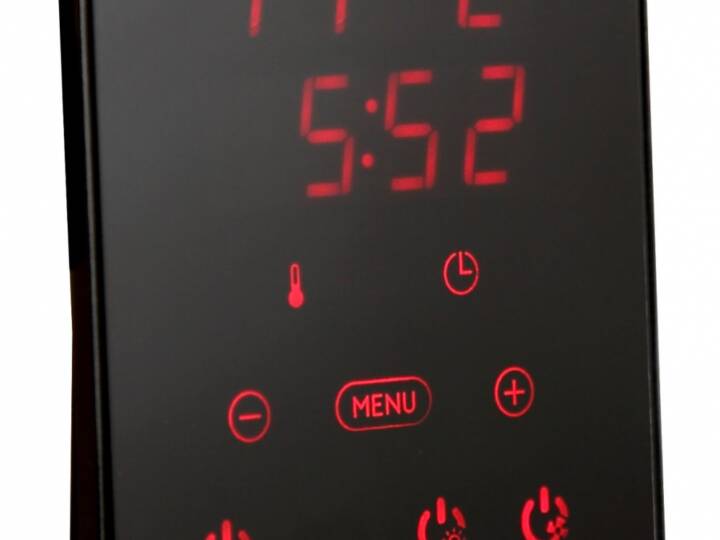
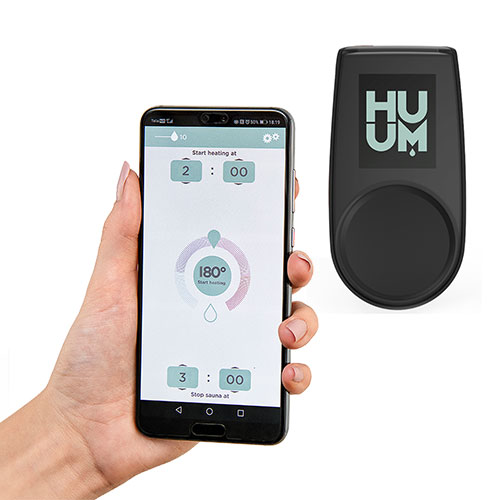
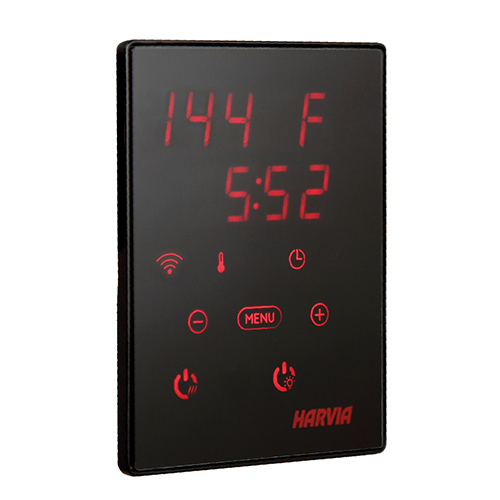
Both are Harvia, both do Wi-Fi, both are the same compact 3.4″ × 4.4″ panel that mounts inside or outside the room. Xenio is the established line: a touch panel running a fixed program, and the more affordable of the two. Fenix is the current generation: a glass screen, control over ventilation as well as lighting, and software that learns how your particular heater behaves and adapts the heat-up to it. Fenix runs roughly 20% more.
In practice: if you want the sauna controlled properly from the wall and from your phone, Xenio does that completely. Fenix is worth the difference if you like the glass look, or if the sauna gets used often enough that a control learning its rhythm actually pays back.
Which size do I need?
Match the control to your heater’s kilowatt rating, not to its family. CX30 and FX30 cover heaters up to 7 kW on single phase — that is a 6 kW Cilindro, Spirit or Virta. CX45 and FX45 cover up to 10.8 kW, which takes in the 8, 9 and 10.5 kW heaters. On three-phase wiring the Fenix units go further: FX30 to 10.5 kW and FX45 to 15 kW.
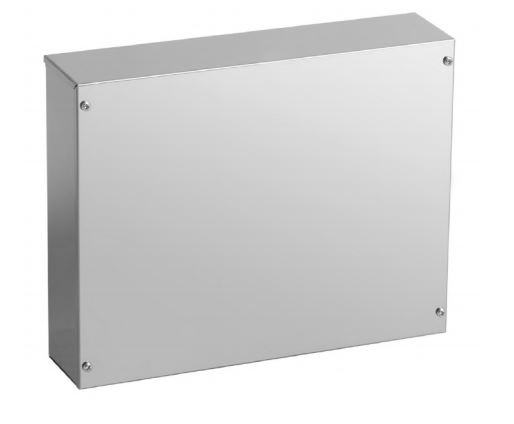
Above those figures — Club K12.5G and K15G, Virta Pro HL160E and HL200E — the control also needs a Xenio LTY45 power extension unit, sold separately. Virta Combi steam heaters take the Combi version of the control instead, and the KIP series takes the Xenio CX170. Both are separate listings.
Every unit includes the panel, the temperature sensor and the power unit. If your heater already came with a sensor, install that one following the heater’s manual.